
Quick answer
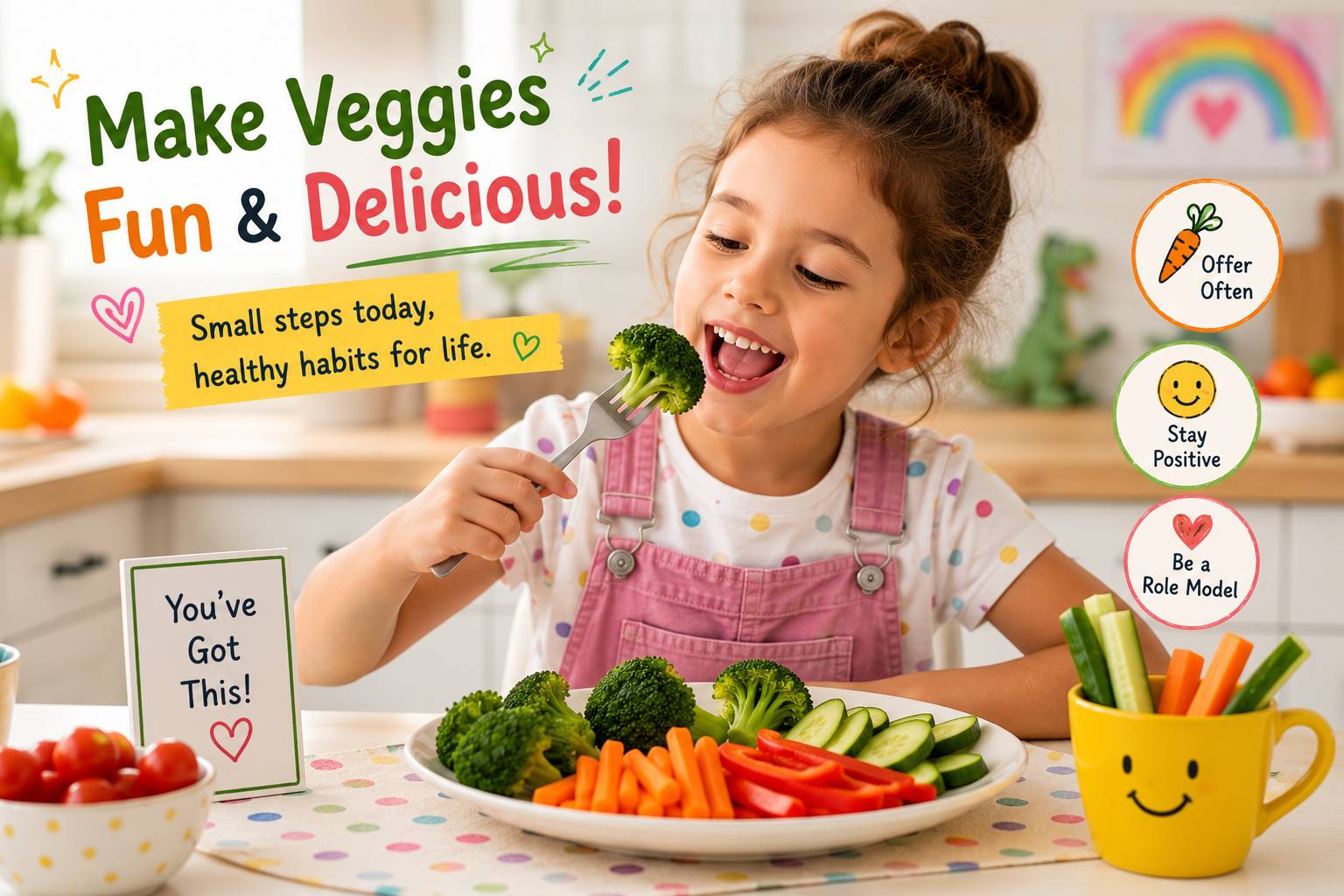
To help kids eat vegetables, offer them regularly without pressure, serve small portions beside familiar foods, model eating them, invite children to help shop and cook, and experiment with different shapes, textures, dips, and cooking methods. Focus on curiosity and repeated exposure rather than demanding a clean plate.
Why do kids refuse vegetables?
Vegetable refusal is common, especially during toddler and preschool years. Children may be cautious about unfamiliar foods, sensitive to bitter flavors, or uncomfortable with textures that change from one bite to the next.
Development also matters. Young children are learning independence, and saying “no” to food can be one way they practice control. Their appetite may also vary from meal to meal depending on growth, activity, sleep, illness, and how recently they ate.
A refusal does not mean a child will never like that vegetable. Familiarity develops through repeated, low-pressure experiences: seeing the food, helping prepare it, touching it, smelling it, serving it to someone else, or eventually tasting it.
Think in exposures, not bites
A child can learn from a vegetable without eating it. Washing, stirring, arranging, smelling, or placing it on the plate can all be useful steps.
15 ways to get kids to eat vegetables
1. Serve vegetables regularly
Vegetables become more familiar when they appear often. Offer them in small amounts without announcing that the child must taste them.
2. Include one familiar food
A familiar grain, fruit, protein food, or dairy food can make the meal feel safer. The vegetable can sit beside foods the child already trusts.
3. Start with tiny portions
One pea, a thin cucumber slice, or a small broccoli floret may feel more manageable than a large serving.
4. Model eating vegetables
Children notice what adults and siblings eat. Enjoy the food naturally without turning your own bites into a performance or demanding that the child copy you.
5. Let children choose between two options
Ask, “Would you like carrots or cucumber?” Limited choices can provide independence while keeping the adult responsible for the overall menu.
6. Invite children into the kitchen
Children can wash vegetables, tear lettuce, stir ingredients, place toppings, or arrange a colorful plate. Participation can increase familiarity even when tasting does not happen immediately.
7. Try different cooking methods
The same vegetable can taste very different raw, steamed, roasted, grilled, blended, or added to soup. A child who dislikes soft carrots may prefer crisp raw sticks when age-appropriate.
8. Use dips and sauces
Hummus, yogurt-based dips, guacamole, mild salsa, or a familiar dressing may make vegetable exploration more enjoyable.
9. Pair new vegetables with accepted flavors
Add peas to familiar rice, serve broccoli with cheese, place peppers in a quesadilla, or offer cucumber beside a favorite sandwich.
10. Make the presentation playful
Arrange a rainbow, create a face, use small cutters, serve vegetables on a divided plate, or build a snack board. Keep the activity playful rather than making it a requirement to eat.
11. Use food bridges
Move from a familiar food to a similar one. A child who likes fries might explore roasted potato wedges, then sweet-potato wedges, then roasted carrots.
12. Grow something together
Herbs, cherry tomatoes, lettuce, or peas can connect children with where food comes from. Picking or watering a plant builds interest even when the child is not ready to taste it.
13. Keep mealtimes calm
Pressure, negotiations, and repeated reminders can make eating feel stressful. Offer the meal, stay neutral, and allow the child to decide what and how much to eat from the available foods.
14. Praise curiosity, not quantity
Notice exploration: “You smelled the pepper,” or “You helped wash the broccoli.” This supports learning without making approval depend on eating.
15. Be patient and consistent
Acceptance may take weeks or months. Progress can be slow and uneven, so focus on the overall pattern rather than one meal.
A pressure-free tasting sequence
A child might first tolerate the vegetable on the table, then on the plate, then touch it, smell it, lick it, take a tiny bite, and eventually eat more. Every step can count as progress.
Best beginner vegetables for kids
Mild, sweet, crisp, or familiar vegetables can be approachable starting points. The best choice is often one that resembles a food the child already accepts.
| Vegetable | Why it may appeal | Easy serving ideas |
|---|---|---|
| Carrots | Naturally sweet and available in several textures | Roasted coins, soft sticks, grated into muffins, or served with hummus |
| Cucumber | Cool, crisp, and mild | Thin rounds, sticks, stars, or yogurt-cucumber dip |
| Sweet peppers | Colorful, crunchy, and slightly sweet | Thin strips, quesadilla filling, or served with dip |
| Peas | Small, sweet, and easy to mix with familiar foods | Stirred into rice, pasta, soup, or mashed with potatoes |
| Sweet potatoes | Soft and naturally sweet | Roasted wedges, mash, soup, or baked cubes |
| Corn | Sweet flavor and familiar texture | Added to tacos, rice bowls, soup, or salads |
| Broccoli | Easy to hold and playful “little tree” shape | Roasted, steamed until tender, or served with cheese sauce |
| Cherry tomatoes | Bright color and juicy flavor | Cut into safe shapes, added to pasta, or paired with cheese |
Fun ways to serve vegetables
- Create a rainbow plate with several colors.
- Build vegetable faces on toast or pizza.
- Make a snack board with vegetables, crackers, cheese, and fruit.
- Serve a small “dip flight” with two or three dips.
- Let children assemble tacos, bowls, wraps, or mini pizzas.
- Use child-safe cutters for cucumber, peppers, or cooked vegetables.
- Offer vegetables family-style so children can serve themselves.
- Try warm and cold versions of the same vegetable.
Vegetables by age
Toddlers
Use soft, safely prepared pieces and very small portions. Toddlers may prefer foods separated rather than mixed together. Repeated exposure and simple routines are especially helpful.
Preschoolers
Preschoolers can wash vegetables, tear lettuce, stir mixtures, and make choices between two options. Imaginative names and colorful arrangements can add interest.
School-age children
Older children can help choose recipes, use simple kitchen tools with supervision, assemble lunchboxes, and compare different cooking methods.
Lunchbox vegetable ideas
| Vegetable | Pair it with | Preparation idea |
|---|---|---|
| Cucumber | Hummus or cheese | Thin rounds, sticks, or stars |
| Carrots | Yogurt dip or sandwich | Grated, cooked coins, or thin sticks when safe |
| Sweet peppers | Quesadilla or crackers | Thin rainbow strips |
| Peas | Pasta salad or rice | Cooked and chilled |
| Broccoli | Cheese cubes or hummus | Small roasted or tender steamed florets |
| Tomatoes | Mozzarella or pasta | Cut into safe shapes for the child’s age |
A simple weekly vegetable plan
The goal is not to introduce a new vegetable every day. Repeat a few choices in different ways so they become familiar.
| Day | Vegetable experience | Low-pressure goal |
|---|---|---|
| Monday | Cucumber with lunch | Choose rounds or sticks |
| Tuesday | Peas mixed into rice | Help stir before serving |
| Wednesday | Roasted carrots at dinner | Place one small piece on the plate |
| Thursday | Sweet peppers with hummus | Pick a favorite color |
| Friday | Broccoli on homemade pizza | Add toppings during preparation |
| Saturday | Vegetable snack board | Arrange the board together |
| Sunday | Family soup or stir-fry | Choose one vegetable for the recipe |
Common mistakes to avoid
Forcing or requiring bites
Pressure can increase resistance and make meals more stressful. Offer the food and let the child decide whether to taste it.
Using dessert as a reward
This can make vegetables seem like the unpleasant task and dessert seem more valuable. Serve sweets in a neutral, predictable way instead.
Giving up after one refusal
A single refusal provides very little information. Try the vegetable again later in the same or a different form.
Serving portions that feel overwhelming
Large servings can create pressure before the meal begins. Start with tiny amounts and offer more if requested.
Hiding every vegetable
Blended vegetables can be part of family meals, but visible vegetables help children learn what foods look, smell, and taste like.
When to seek professional help
Some children need more support than ordinary repeated exposure. Speak with a pediatrician, registered dietitian, occupational therapist, speech-language pathologist, or feeding specialist when eating is extremely limited, growth is a concern, meals cause significant distress, or the child has difficulty chewing or swallowing.
Professional guidance is also important when allergies, gastrointestinal symptoms, developmental differences, sensory challenges, or medical conditions affect eating.
How stories can make vegetables less intimidating
Books allow children to explore foods away from the pressure of the table. Ask them to find vegetable colors, invent names for characters, or imagine what a friendly dinosaur might choose for a rainbow meal.
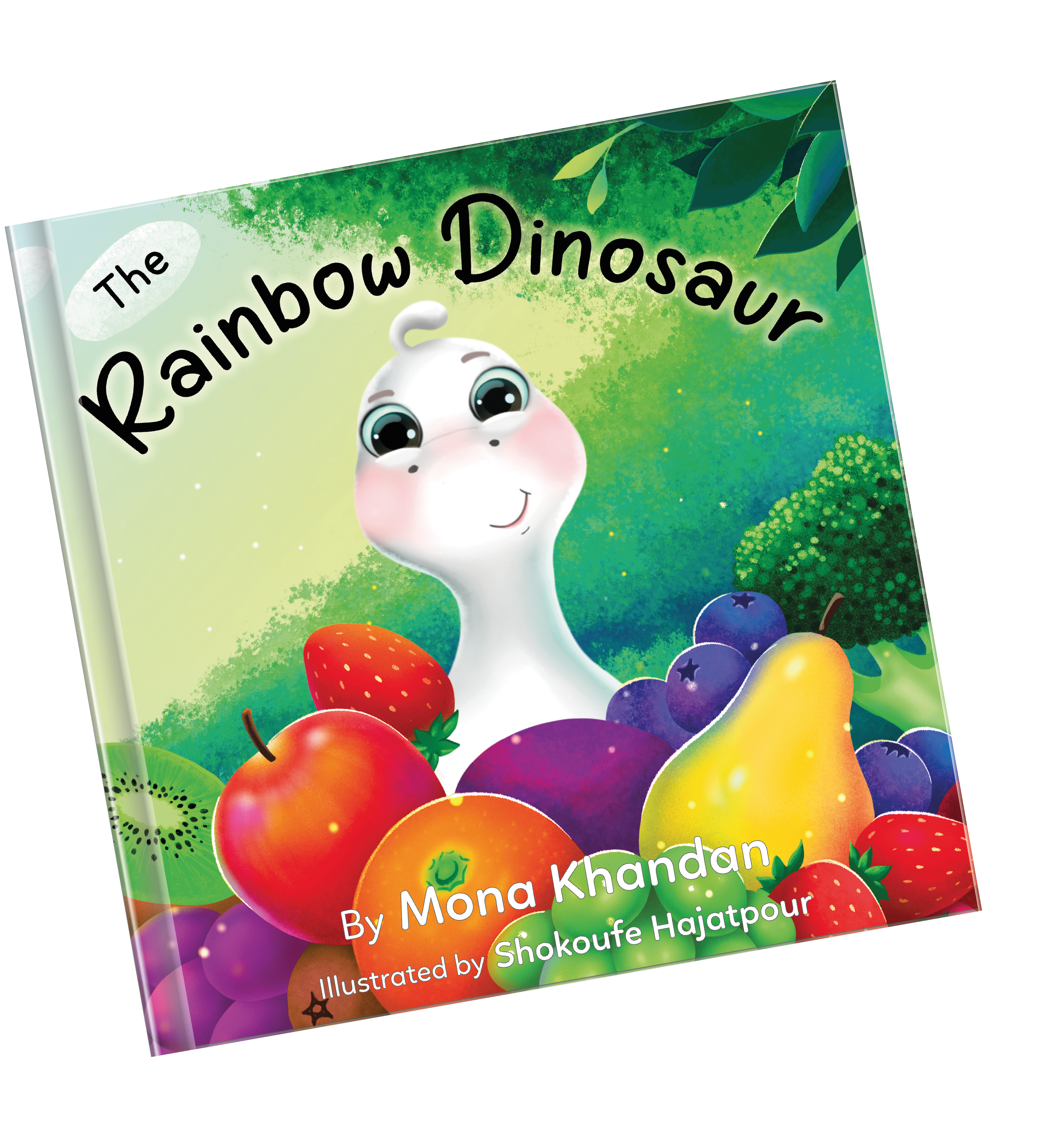
Meet The Rainbow Dinosaur
The Rainbow Dinosaur is a colorful picture-book adventure that introduces young readers to fruits, vegetables, trying new foods, and positive food choices through imaginative storytelling.
Related articles
- Vegetables for Kids
- Picky Eating in Kids
- Healthy Foods for Kids
- Healthy Eating for Kids
- Balanced Diet for Kids
- Meal Planning for Kids
- Healthy Snacks for Kids
- Nutrition for Preschoolers
Frequently asked questions
How can I get my child to eat more vegetables?
Offer vegetables regularly without pressure, keep portions small, serve them beside familiar foods, model eating them, and involve children in preparation.
How many times should I offer a rejected vegetable?
Children may need many calm exposures before a food feels familiar. Continue offering tiny portions occasionally without requiring a taste.
Should I hide vegetables in food?
Blended vegetables can add variety, but continue serving visible vegetables too so children can learn their names, flavors, and textures.
What vegetables are easiest for children to try?
Mild or naturally sweet choices such as carrots, peas, cucumber, sweet peppers, sweet potatoes, corn, and roasted broccoli can be approachable.
When should I seek help for picky eating?
Seek professional guidance when eating is extremely limited, growth is a concern, meals cause significant distress, or the child has difficulty chewing, swallowing, or tolerating textures.
Trusted sources and further reading

About the author
Mona Khandan is the author of The Rainbow Dinosaur, a children’s picture book that uses colorful storytelling to introduce fruits, vegetables, and positive food choices. She creates educational content for parents, teachers, and young readers.