
Quick answer
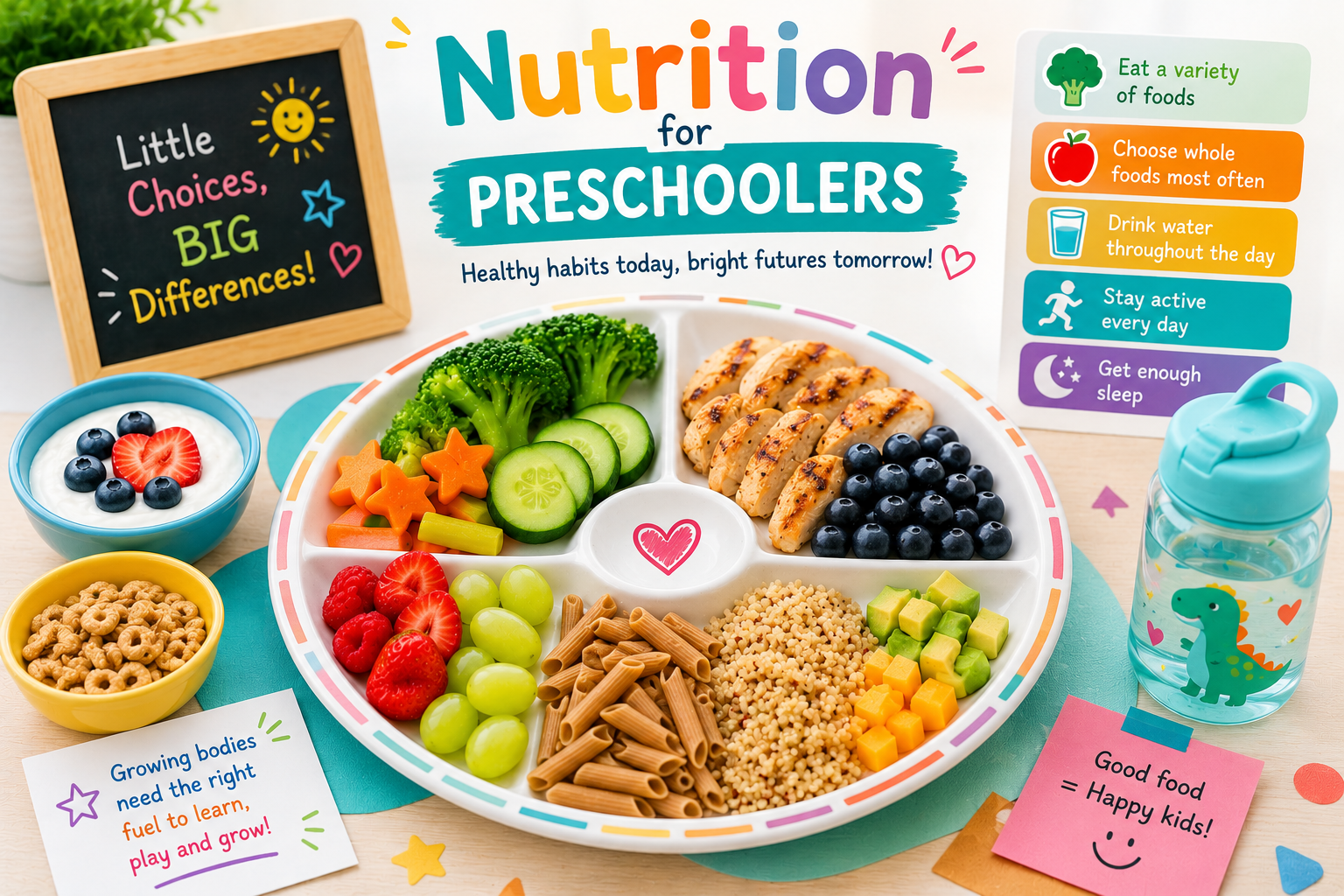
Good nutrition for preschoolers means offering a variety of fruits, vegetables, grains, protein foods, and dairy or suitable alternatives across regular meals and snacks. Preschoolers usually do best with predictable eating times, small child-sized portions, water throughout the day, and a calm approach that lets them decide whether and how much to eat.
Why nutrition matters in the preschool years
Preschoolers are growing, learning, moving, and developing new food skills. Nutritious meals and snacks help support energy, concentration, bone development, immune function, muscle growth, and healthy digestion.
This age is also an important time for building a positive relationship with food. Preschoolers are learning how to sit at the table, use utensils, notice hunger and fullness, try unfamiliar foods, and participate in family meals.
Progress is rarely perfectly smooth. A child may love broccoli one week and reject it the next. Appetite can change from meal to meal and from one growth stage to another. Looking at the overall pattern is more useful than judging a single plate.
Think in patterns, not perfect meals
One meal may be mostly toast and fruit, while another includes eggs, vegetables, and yogurt. Balance can happen across the day or week.
What do preschoolers need each day?
Preschoolers generally benefit from regular opportunities to eat, a variety of foods, and enough time to finish without being rushed. A practical daily rhythm often includes three meals and two or three planned snacks.
- A variety of fruits and vegetables.
- Grains and other carbohydrate foods for energy.
- Protein foods for growth and repair.
- Dairy foods or suitable fortified alternatives.
- Healthy fats from foods such as avocado, olive oil, and nut or seed butters when safe.
- Water offered throughout the day.
- Regular meals and snacks rather than constant grazing.
Food groups for preschoolers
Each food group contributes different nutrients. Preschoolers do not need every group at every meal, but variety over time helps cover their needs.
| Food group | Preschool-friendly examples | Why it matters |
|---|---|---|
| Fruits | Bananas, berries, pears, peaches, melon, mango, kiwi, applesauce | Fiber, water, vitamins, minerals, and natural sweetness |
| Vegetables | Peas, carrots, broccoli, cucumber, sweet potato, peppers, spinach | Fiber, vitamins, minerals, color, flavor, and texture variety |
| Grains and starches | Oatmeal, whole-grain bread, rice, pasta, tortillas, potatoes, quinoa | Energy, fiber, and B vitamins |
| Protein foods | Eggs, beans, lentils, chicken, fish, tofu, yogurt, nut or seed butter | Protein, iron, zinc, and fats needed for growth |
| Dairy or alternatives | Milk, yogurt, cheese, or an appropriate fortified alternative | Protein, calcium, vitamin D when fortified, and other nutrients |
Meals and snacks for preschoolers
Preschoolers have small stomachs and may not eat enough at three meals alone. Planned snacks can fill the gaps without replacing meals.
Example daily eating schedule
7:30 a.m.: Breakfast
10:00 a.m.: Morning snack
12:30 p.m.: Lunch
3:30 p.m.: Afternoon snack
6:00 p.m.: Dinner
Optional: A planned bedtime snack when needed
Keep snacks far enough from meals that the child can arrive with some appetite. Water can remain available, but frequent nibbling or sipping calorie-containing drinks may reduce interest in meals.
Healthy breakfast ideas for preschoolers
Breakfast can be simple. Pair a grain or other carbohydrate with a protein food and fruit when possible.
- Oatmeal with banana and yogurt.
- Scrambled egg with toast and berries.
- Whole-grain waffle with nut or seed butter and sliced fruit.
- Greek yogurt with oats and peaches.
- Avocado toast with a boiled egg.
- Breakfast quesadilla with egg and cheese.
- Smoothie with fruit, yogurt, and oats served with toast.
Lunch and dinner ideas for preschoolers
Use familiar foods as the foundation and add one small learning food when appropriate.
- Turkey or hummus sandwich, cucumber, and fruit.
- Bean-and-cheese quesadilla with avocado and tomato.
- Rice, chicken, peas, and yogurt.
- Pasta with lentil sauce and broccoli.
- Salmon, potatoes, and green beans.
- Tofu stir-fry with rice and soft vegetables.
- Mini meatballs, pasta, and roasted carrots.
- Vegetable soup with bread and cheese.
Healthy snack ideas for preschoolers
A balanced snack often combines two food groups. This can help the snack feel satisfying without becoming a full meal.
| Snack idea | Food groups |
|---|---|
| Banana with sunflower-seed butter | Fruit + protein/fat |
| Yogurt with berries | Dairy + fruit |
| Apple slices with cheese | Fruit + dairy |
| Hummus with soft pita and cucumber | Protein + grain + vegetable |
| Whole-grain crackers with mashed beans | Grain + protein |
| Avocado toast | Grain + healthy fat |
| Cottage cheese with peaches | Dairy + fruit |
| Oatmeal made with milk | Grain + dairy |
Portion sizes and preschooler appetite
Preschoolers often need less food than adults expect. Start with small portions and offer more when the child is still hungry. A smaller plate can feel more manageable and reduce waste.
Appetite may vary with activity, sleep, illness, emotions, growth, medication, and the time since the last meal. Some days a preschooler may eat a great deal; on other days, very little.
Adults can decide what, when, and where food is offered. The child can decide whether to eat and how much to eat from what is available.
Begin small and allow seconds
A few spoonfuls or pieces may be enough to begin. Children can ask for more, which supports independence and attention to hunger.
Picky eating in preschoolers
Picky eating is common in the preschool years. Children may become cautious about unfamiliar tastes, smells, colors, or textures. This does not mean parents have failed or that the child will always eat a limited diet.
Serve one familiar food
Include at least one accepted food at meals so the child has something comfortable to eat.
Keep learning portions tiny
A single pea, one thin slice, or a teaspoon may be enough. Large portions can make new foods feel overwhelming.
Avoid pressure
Bribing, forcing bites, or requiring a clean plate can increase stress. Calm exposure is more helpful than turning tasting into a test.
Let preschoolers help
Children can wash produce, stir ingredients, tear lettuce, pour premeasured ingredients, or choose between two vegetables. Participation builds familiarity.
Repeat exposure
Looking, touching, smelling, licking, and helping prepare a food can all be steps toward eating it.
Water, milk, and other drinks
Water is the main everyday drink for most preschoolers. Offer it with meals and snacks and keep it available throughout the day.
Milk or an appropriate fortified alternative may contribute protein, calcium, vitamin D, and other nutrients. The right type and amount depend on age, diet, allergies, health conditions, and professional guidance.
Sweetened drinks can reduce appetite for meals and add sugar without the same fullness as solid food. Whole fruit is generally more satisfying than juice because it retains fiber.
Important nutrients for preschoolers
Iron
Iron supports red blood cells and development. Sources include meat, beans, lentils, tofu, eggs, fortified cereals, and some leafy greens. Pairing plant-based iron foods with vitamin C-rich fruits or vegetables can help absorption.
Calcium and vitamin D
These nutrients support bones and teeth. Sources may include milk, yogurt, cheese, fortified alternatives, and other foods recommended by a healthcare professional.
Protein
Protein supports growth and repair. Preschool-friendly sources include eggs, beans, lentils, poultry, fish, tofu, yogurt, cheese, and safely served nut or seed products.
Fiber
Fruits, vegetables, beans, oats, and whole grains contribute fiber. Increase fiber gradually and offer enough water.
Healthy fats
Preschoolers need fat for energy and development. Avocado, olive oil, nut or seed butter, and fatty fish can be useful choices when appropriate and safe.
Food safety and choking prevention
Food must be prepared for the child’s developmental level and eating skills. Preschoolers should sit upright and be supervised while eating.
- Cut grapes, cherry tomatoes, and similar round foods into smaller, safer shapes.
- Cook hard vegetables until soft when needed.
- Remove pits, bones, tough skins, and hard stems.
- Avoid whole nuts, popcorn, hard candy, and large spoonfuls of nut butter for young children.
- Cut firm or chewy foods into manageable pieces.
- Keep mealtimes calm and discourage running or playing with food in the mouth.
Simple preschool meal planning
Planning becomes easier when a few flexible foods are prepared in advance. Choose two or three foods from each category and combine them throughout the week.
| Category | Easy choices |
|---|---|
| Grains and starches | Oats, rice, bread, pasta, potatoes, tortillas |
| Protein foods | Eggs, beans, lentils, chicken, fish, tofu |
| Vegetables | Peas, broccoli, carrots, cucumber, peppers |
| Fruits | Bananas, berries, apples, oranges, melon |
| Dairy or alternatives | Milk, yogurt, cheese, fortified alternative |
Three-day preschool meal example
Day 1: Oatmeal with banana; yogurt and berries; turkey sandwich with cucumber; apple and cheese; salmon, rice, and peas.
Day 2: Eggs, toast, and orange; hummus and pita; bean quesadilla with avocado; banana and seed butter; chicken, potatoes, and broccoli.
Day 3: Yogurt with fruit and oats; crackers and cheese; lentil soup with bread; cottage cheese and peaches; pasta with meat or lentil sauce and vegetables.
How stories can support preschool nutrition
Preschoolers learn through stories, play, and repetition. Books can make food exploration feel imaginative rather than demanding. Ask children to spot colors, name fruits and vegetables, or create a pretend rainbow plate for a favorite character.
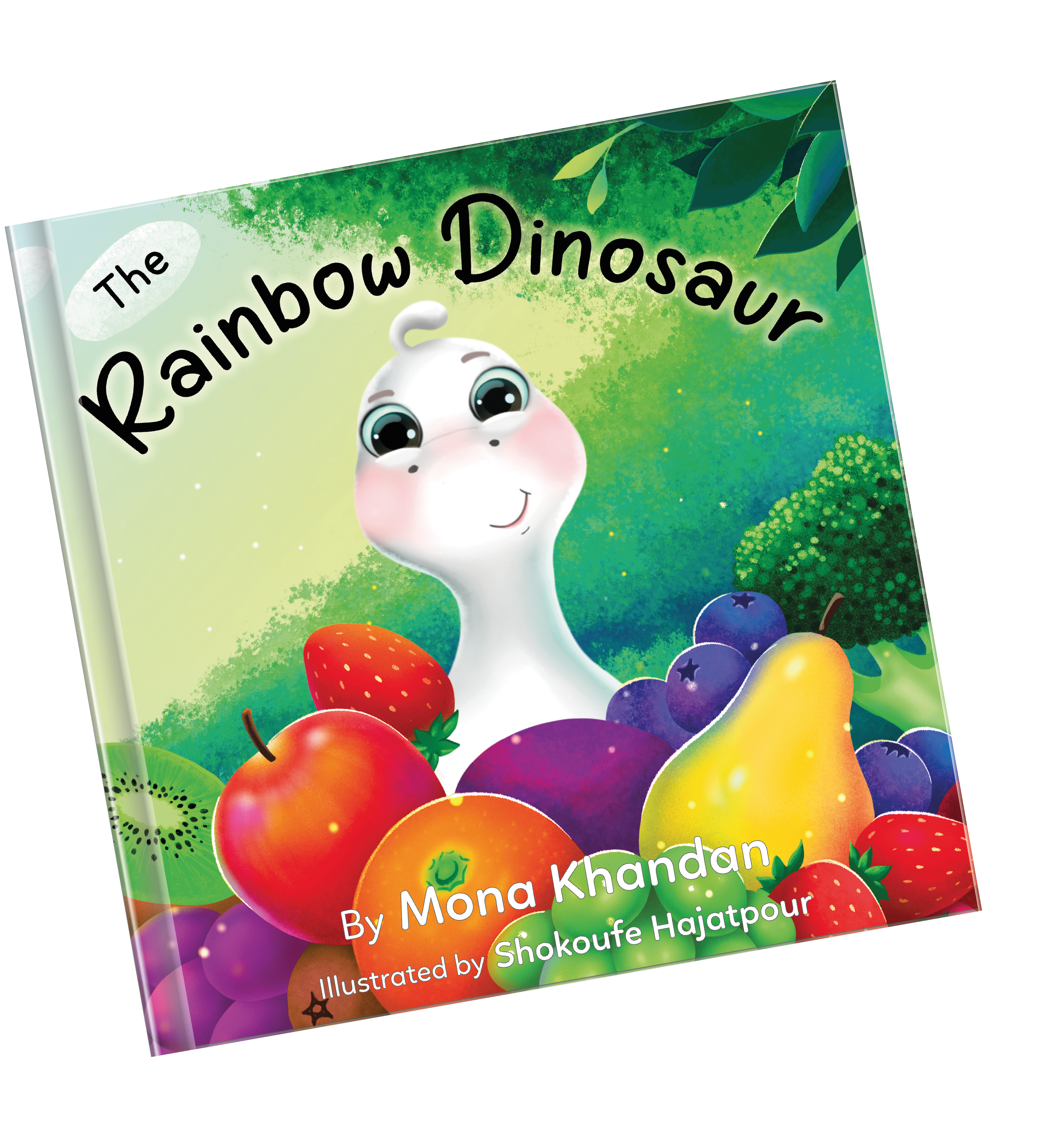
Meet The Rainbow Dinosaur
The Rainbow Dinosaur is a colorful picture-book adventure that introduces preschoolers to fruits, vegetables, trying new foods, and positive food choices through imaginative storytelling.
Related articles
- Healthy Eating for Kids
- Balanced Diet for Kids
- Healthy Snacks for Kids
- Healthy Breakfast for Kids
- Fruits for Kids
- Vegetables for Kids
- Picky Eating in Kids
- Meal Planning for Kids
Frequently asked questions
How many meals and snacks should a preschooler eat?
Many preschoolers do well with three meals and two or three planned snacks each day. The exact schedule can be adjusted to the child’s routine and appetite.
What is a healthy breakfast for a preschooler?
A simple breakfast may combine a grain or other carbohydrate, a protein food, and fruit, such as oatmeal with yogurt and berries or eggs with toast and fruit.
How much should a preschooler eat?
Appetite varies. Start with small portions, offer more when requested, and allow the child to respond to hunger and fullness cues.
What should I do if my preschooler is picky?
Keep offering familiar foods alongside tiny portions of learning foods. Avoid pressure, involve the child in preparation, and repeat exposure calmly over time.
Do preschoolers need vitamins?
Some children may need specific supplements based on age, diet, health, or laboratory findings. Ask a pediatrician or registered dietitian before starting supplements.
Trusted sources and further reading
About the author
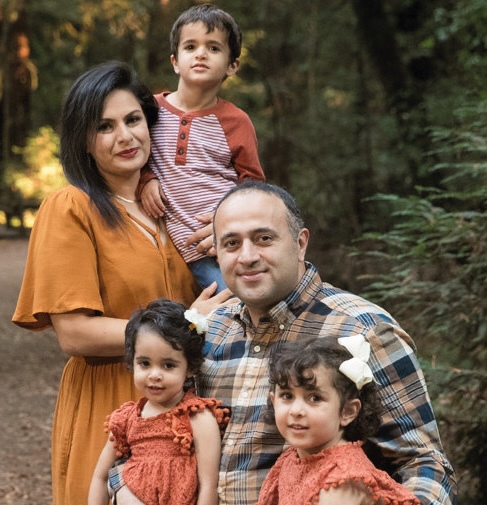
Mona Khandan is the author of The Rainbow Dinosaur, a children’s picture book that uses colorful storytelling to introduce fruits, vegetables, and positive food choices. She creates educational content for parents, teachers, and young readers.