
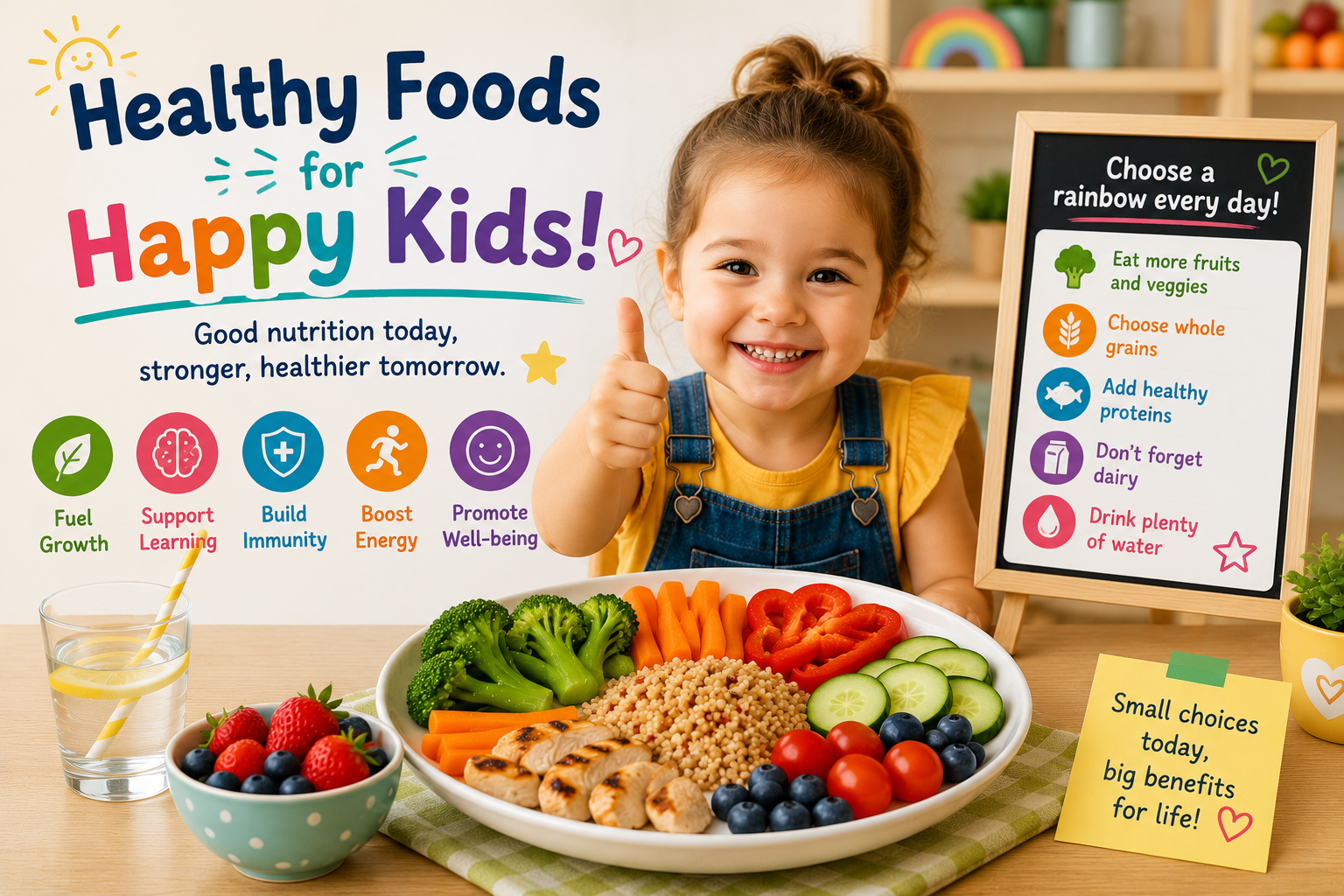
Quick answer
Healthy foods for kids include fruits, vegetables, whole grains, beans, lentils, eggs, fish, poultry, yogurt, cheese, tofu, nuts and seeds when age-appropriate, avocado, and other minimally processed foods. A practical meal often combines a carbohydrate food, a protein food, and a fruit or vegetable, with water to drink.
What makes a food healthy for kids?
Healthy foods help children get the energy and nutrients they need for growth, movement, learning, and everyday life. No single food supplies everything, which is why variety matters more than finding one “perfect” food.
A child-friendly healthy food is also practical. It should fit the child’s age, chewing skills, culture, preferences, allergies, and family routine. Frozen vegetables, canned beans, whole-grain bread, yogurt, and simple leftovers can be just as useful as freshly prepared foods.
A balanced pattern includes foods from several groups over the day and week. It also includes regular meals and snacks, water, enough time to eat, and a calm environment.
Focus on patterns, not perfection
One meal may be mostly toast and fruit. Another may include chicken, rice, and vegetables. Together, they can still contribute to a varied week.
50+ healthy foods for kids
Healthy fruits
Fruit provides natural sweetness, fiber, water, vitamins, minerals, and a wide variety of colors and textures.
- Apples
- Bananas
- Strawberries
- Blueberries
- Raspberries
- Oranges
- Pears
- Peaches
- Mango
- Kiwi
- Melon
- Grapes, cut safely for young children
- Pineapple
- Plums
- Avocado
Healthy vegetables
Vegetables offer fiber, vitamins, minerals, flavor, color, and opportunities to explore different textures.
- Carrots
- Broccoli
- Peas
- Sweet potatoes
- Bell peppers
- Cucumbers
- Tomatoes
- Green beans
- Spinach
- Corn
- Zucchini
- Cauliflower
- Butternut squash
- Edamame, prepared safely
- Beets
Healthy whole grains and carbohydrate foods
- Oatmeal
- Whole-grain bread
- Brown or white rice
- Whole-grain pasta
- Quinoa
- Barley
- Whole-grain tortillas
- Potatoes
- Sweet potatoes
- Low-sugar whole-grain cereal
- Couscous
- Polenta
Healthy protein foods
- Eggs
- Beans
- Lentils
- Chicken
- Turkey
- Fish
- Tofu
- Tempeh
- Greek yogurt
- Cottage cheese
- Nut butters when safe
- Seed butters
- Hummus
Healthy fats
- Avocado
- Olive oil
- Nut and seed butters
- Nuts and seeds when age-appropriate
- Salmon and other fatty fish
- Chia seeds
- Ground flaxseed
| Food group | Easy choices | Simple serving ideas |
|---|---|---|
| Fruit | Banana, berries, apple, orange | Serve fresh, stirred into yogurt, blended into smoothies, or added to oatmeal |
| Vegetables | Carrots, peas, broccoli, cucumber | Serve roasted, steamed, raw when safe, or with hummus |
| Grains | Oats, rice, bread, pasta | Use as the base of breakfast, bowls, sandwiches, or dinner |
| Protein | Eggs, beans, chicken, tofu | Add to tacos, sandwiches, bowls, soups, or pasta |
| Dairy or alternative | Milk, yogurt, cheese, fortified alternative | Serve with meals, fruit, cereal, or snacks |
Healthy meal ideas for kids
Healthy breakfast ideas
- Oatmeal with berries and yogurt
- Eggs with whole-grain toast and fruit
- Greek yogurt with banana and oats
- Whole-grain pancakes with nut or seed butter
- Avocado toast with a boiled egg
- Breakfast quesadilla with eggs, cheese, and mild vegetables
Healthy lunch ideas
- Turkey or hummus sandwich with cucumber and fruit
- Bean-and-cheese quesadilla with avocado
- Pasta salad with peas and chicken or beans
- Rice bowl with tofu, broccoli, and mango
- Lentil soup with bread and fruit
- Yogurt, whole-grain crackers, berries, and vegetables
Healthy dinner ideas
- Salmon, rice, and green beans
- Chicken, potatoes, and broccoli
- Bean chili with cornbread and avocado
- Whole-grain pasta with lentil or meat sauce
- Tofu stir-fry with rice and vegetables
- Tacos with beans or meat, cheese, tomato, and lettuce
A simple meal formula
Choose one carbohydrate food, one protein food, and one fruit or vegetable. Add dairy or a suitable alternative when it fits the meal, and offer water.
Healthy snack ideas for kids
Pairing two food groups can make snacks more satisfying and balanced.
- Apple slices with cheese
- Banana with sunflower-seed butter
- Yogurt with berries
- Hummus with pita and cucumber
- Whole-grain crackers with tuna or mashed beans
- Avocado toast
- Cottage cheese with peaches
- Oatmeal with milk
- Hard-boiled egg with fruit
- Mini smoothie with yogurt and berries
Healthy lunchbox foods
Lunchboxes are easier to plan when they include a main item, a fruit or vegetable, and one or two simple sides.
| Main item | Fruit or vegetable | Side |
|---|---|---|
| Turkey sandwich | Cucumber and strawberries | Yogurt |
| Hummus wrap | Carrots and grapes cut safely | Cheese |
| Bean quesadilla | Tomatoes and orange slices | Avocado |
| Pasta salad | Peas and berries | Boiled egg |
| Rice and chicken bowl | Broccoli and mango | Milk or fortified alternative |
Healthy foods for picky eaters
Children do not need to love every healthy food. Start with foods they already accept and build variety gradually.
- Serve one familiar food at each meal.
- Offer tiny portions of learning foods.
- Let children touch, smell, or help prepare foods.
- Repeat exposure without pressure.
- Avoid bargaining, forcing bites, or using dessert as a reward.
- Change the shape, texture, temperature, or presentation.
Try food bridges
If a child likes crackers, try toast. If they like applesauce, try soft cooked apples. If they like chicken nuggets, try breaded baked chicken pieces.
Budget-friendly healthy foods for kids
Healthy eating does not require expensive specialty products. Many basic foods are affordable, flexible, and nutritious.
- Oats
- Rice
- Potatoes
- Beans and lentils
- Eggs
- Frozen vegetables
- Seasonal fruit
- Canned tuna or salmon
- Plain yogurt
- Whole-grain bread
Compare unit prices, use frozen produce, cook larger batches, and plan meals around ingredients that can be reused.
A simple healthy-food shopping list
| Category | Choose two or three |
|---|---|
| Fruits | Bananas, apples, berries, oranges, melon |
| Vegetables | Carrots, broccoli, peas, peppers, cucumber |
| Grains | Oats, rice, bread, pasta, tortillas |
| Proteins | Eggs, beans, lentils, chicken, fish, tofu |
| Dairy or alternatives | Milk, yogurt, cheese, fortified alternative |
| Healthy fats | Avocado, olive oil, nut or seed butter |
Food safety and choking prevention
Foods should be prepared for the child’s age, development, and chewing skills. Young children are at greater risk from hard, round, sticky, or difficult-to-chew foods.
- Cut grapes, cherry tomatoes, and similar round foods into smaller, safer shapes.
- Cook hard vegetables until soft when needed.
- Avoid whole nuts, popcorn, hard candy, and large spoonfuls of nut butter for young children.
- Remove bones, pits, seeds, tough skins, and hard stems.
- Have children sit upright while eating.
- Supervise meals and snacks.
How stories can help children explore healthy foods
Stories can make food exploration playful. Children can look for colors, name fruits and vegetables, invent a rainbow plate, or imagine what a friendly dinosaur might choose for lunch.
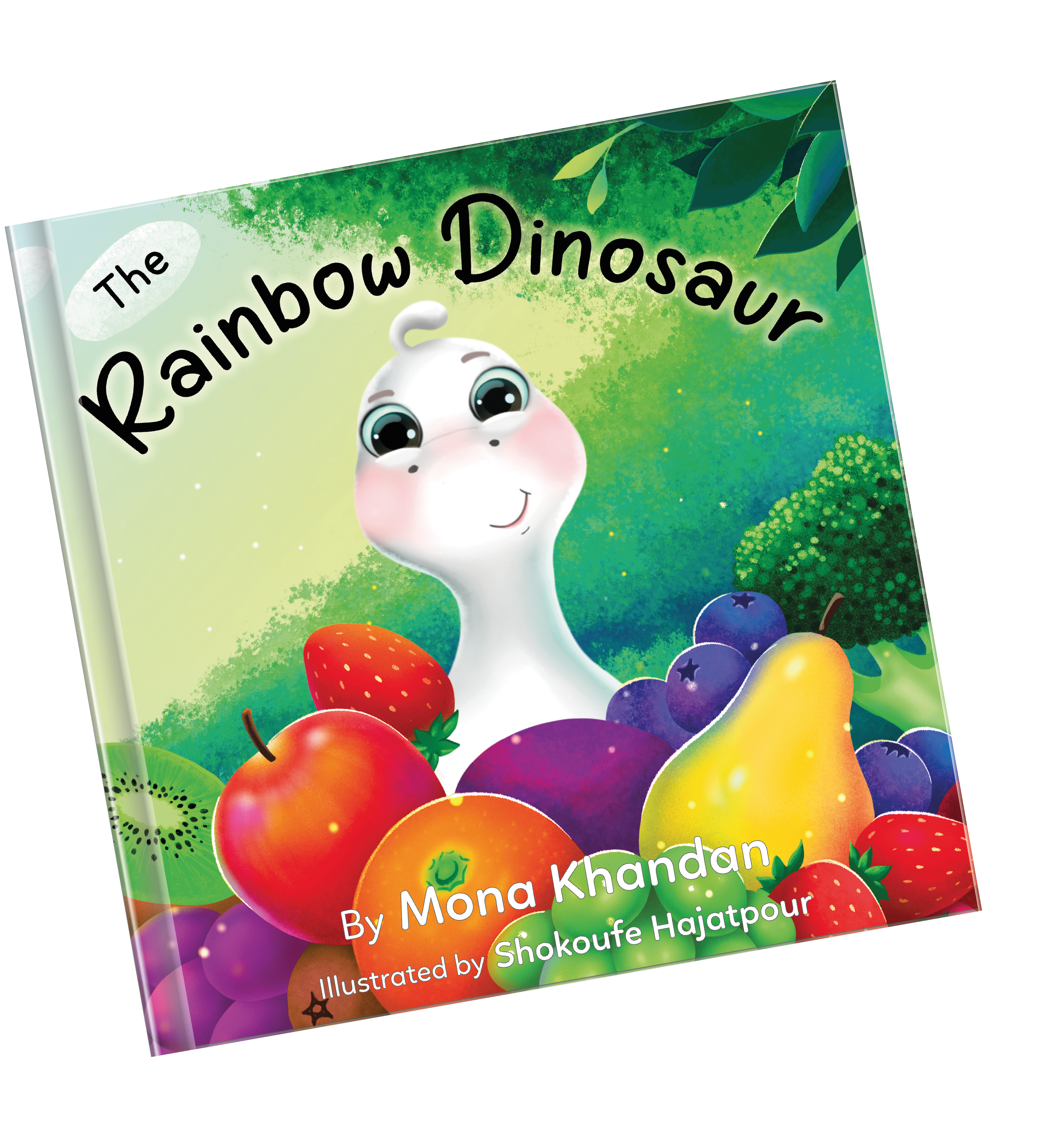
Meet The Rainbow Dinosaur
The Rainbow Dinosaur is a colorful picture-book adventure that introduces young readers to fruits, vegetables, trying new foods, and positive food choices through imaginative storytelling.
Related articles
- Healthy Eating for Kids
- Healthy Snacks for Kids
- Healthy Lunch Ideas for Kids
- Healthy Breakfast for Kids
- Fruits for Kids
- Vegetables for Kids
- Balanced Diet for Kids
- Picky Eating in Kids
Frequently asked questions
What are the healthiest foods for kids?
Healthy options include fruits, vegetables, whole grains, beans, lentils, eggs, fish, poultry, yogurt, cheese, tofu, nuts and seeds when age-appropriate, and healthy fats such as avocado and olive oil.
How can I get my child to eat healthier foods?
Offer healthy foods regularly, include familiar choices, keep portions small, involve children in preparation, model eating the food, and avoid pressure.
What are easy healthy snacks for kids?
Fruit with yogurt, whole-grain crackers with cheese, vegetables with hummus, banana with nut or seed butter, and avocado toast are simple options.
Can frozen and canned foods be healthy?
Yes. Frozen and canned fruits, vegetables, beans, and fish can be nutritious and convenient. Choose options with little added sugar or sodium when practical.
How much should children eat?
Appetite varies. Offer age-appropriate portions and allow children to decide how much to eat from the foods provided.
Trusted sources and further reading
About the author
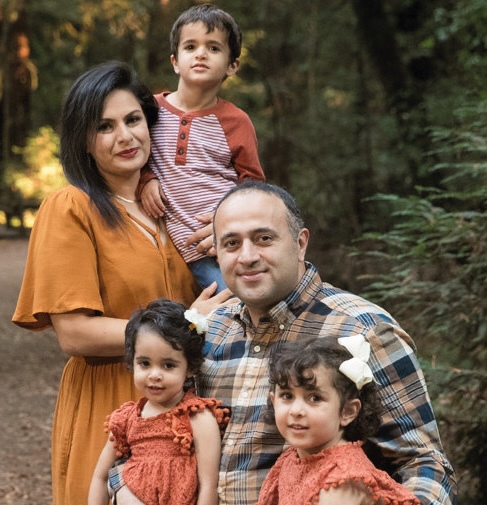
Mona Khandan is the author of The Rainbow Dinosaur, a children’s picture book that uses colorful storytelling to introduce fruits, vegetables, and positive food choices. She creates educational content for parents, teachers, and young readers.