
Quick answer
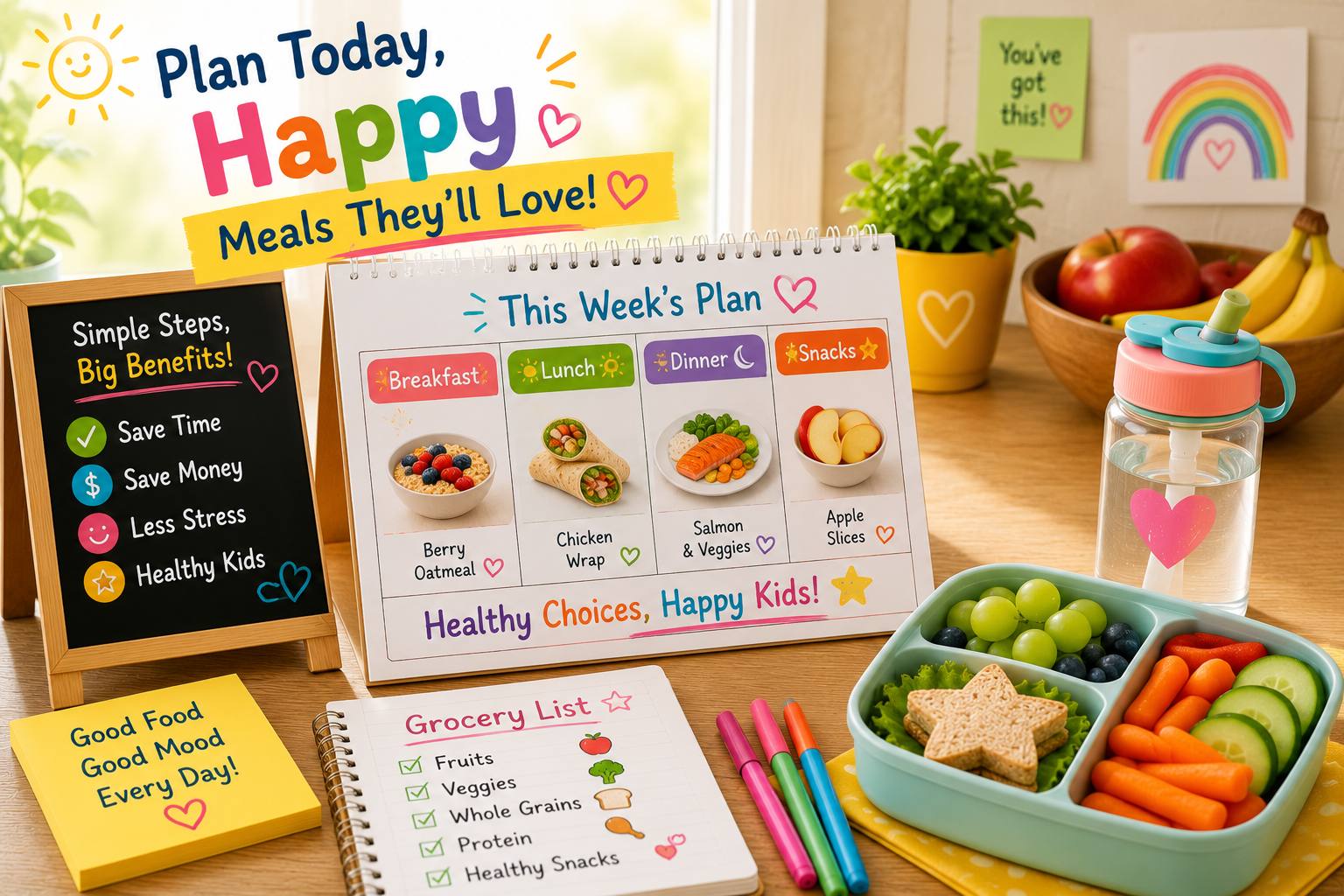
Start meal planning for kids by choosing a few reliable breakfasts, lunches, dinners, and snacks. Build meals around a carbohydrate food, a protein food, and a fruit or vegetable. Reuse ingredients, plan for leftovers, include one familiar food for picky eaters, and keep one or two easy backup meals available for busy days.
Why meal planning helps families
Meal planning does not have to mean creating a perfect menu for every day. It simply means deciding in advance what your family is likely to eat and making sure the basic ingredients are available.
A plan can reduce last-minute decisions, repeated takeout, food waste, and grocery-store stress. It can also help parents offer more variety because fruits, vegetables, protein foods, and grains are easier to include when they are already on the shopping list.
Children often feel more comfortable when meals are predictable. A weekly rhythm—such as pasta night, taco night, or breakfast-for-dinner—can give them familiarity while still allowing different ingredients.
Plan less than seven dinners
Many families only need three to five planned dinners. Leave one night for leftovers and one night for a quick backup meal or a family outing.
A simple five-step meal-planning system
1. Check your schedule
Look at school events, work commitments, sports, appointments, and evenings when the family will arrive home late. Plan the easiest meals on the busiest days.
2. Check what you already have
Review the refrigerator, freezer, and pantry. Start with foods that need to be used soon, then plan meals around them.
3. Choose three to five dinners
Select familiar meals first. Add one new recipe only when the week has enough time and energy for it.
4. Choose repeatable breakfasts and lunches
Breakfast and lunch can repeat. Children often appreciate familiar foods, and repetition makes shopping and preparation easier.
5. Write one organized grocery list
Group the list by produce, grains, proteins, dairy or alternatives, frozen foods, and pantry items.
How to build balanced meals for kids
A simple meal formula can make planning easier:
- Carbohydrate food: bread, rice, pasta, oats, potatoes, tortillas, or cereal.
- Protein food: eggs, beans, lentils, chicken, fish, tofu, yogurt, or cheese.
- Fruit or vegetable: fresh, frozen, cooked, canned, or blended.
- Optional dairy or suitable alternative: depending on the meal and the child.
- Water: offered regularly with meals and throughout the day.
Not every plate needs every category. Balance can happen across the day and week.
Five easy combinations
- Eggs, toast, and fruit.
- Rice, beans, avocado, and peppers.
- Chicken, potatoes, and broccoli.
- Pasta with lentil sauce and peas.
- Hummus, pita, cucumber, and berries.
A seven-day meal plan for kids
| Day | Breakfast | Lunch | Dinner | Snack |
|---|---|---|---|---|
| Monday | Oatmeal, berries, yogurt | Turkey or hummus sandwich, cucumber, fruit | Chicken, rice, broccoli | Apple and cheese |
| Tuesday | Eggs, toast, orange | Bean quesadilla, avocado, tomatoes | Pasta with lentil sauce and peas | Yogurt and banana |
| Wednesday | Yogurt, fruit, oats | Leftover pasta, fruit | Salmon or tofu, potatoes, green beans | Crackers and hummus |
| Thursday | Whole-grain cereal, milk, berries | Rice and bean bowl | Tacos with beans or meat, lettuce, tomato, cheese | Fruit and seed butter |
| Friday | Banana pancakes and yogurt | Cheese, crackers, vegetables, fruit | Homemade pizza with vegetables and chicken | Smoothie |
| Saturday | Avocado toast and egg | Soup, bread, fruit | Bean chili, cornbread, avocado | Cottage cheese and peaches |
| Sunday | Oatmeal with banana | Leftovers or snack plate | Roast chicken or tofu, sweet potatoes, carrots | Yogurt and berries |
How to plan breakfasts for kids
Choose two or three breakfasts and rotate them during the week. This keeps mornings predictable while still offering variety.
- Oatmeal with fruit and yogurt.
- Eggs with toast and fruit.
- Whole-grain cereal with milk and berries.
- Yogurt with oats and banana.
- Whole-grain waffles with nut or seed butter.
- Breakfast quesadilla with egg and cheese.
Lunch and lunchbox planning
Plan lunch around one main item, one fruit or vegetable, and one or two simple sides.
| Main item | Fruit or vegetable | Side |
|---|---|---|
| Turkey sandwich | Cucumber and strawberries | Yogurt |
| Hummus wrap | Carrots and orange slices | Cheese |
| Bean quesadilla | Tomatoes and grapes cut safely | Avocado |
| Pasta salad | Peas and berries | Boiled egg |
| Rice and chicken bowl | Broccoli and mango | Milk or fortified alternative |
Dinner planning that works on busy nights
Assign meals by effort level. Use very easy dinners on the busiest days and save more involved meals for weekends.
Very easy dinners
- Eggs, toast, and fruit.
- Bean-and-cheese quesadillas with avocado.
- Pasta with peas and grated cheese.
- Soup with bread and fruit.
- Hummus, pita, vegetables, and yogurt.
Moderate-effort dinners
- Sheet-pan chicken and vegetables.
- Rice bowls with beans, avocado, and corn.
- Salmon with potatoes and green beans.
- Tofu stir-fry with rice.
- Tacos with several family-style toppings.
Snack planning for kids
Keep snacks predictable and pair two food groups when possible.
- Apple slices and cheese.
- Banana and sunflower-seed butter.
- Yogurt and berries.
- Hummus and pita.
- Whole-grain crackers and tuna or mashed beans.
- Avocado toast.
- Boiled egg and fruit.
- Oatmeal and milk.
Meal planning for picky eaters
Planning for a picky eater does not require preparing a completely separate meal. Build the family meal so it includes at least one accepted food.
- Serve sauces and toppings separately.
- Keep a familiar grain, bread, fruit, or dairy food on the table.
- Offer tiny portions of new foods.
- Reuse accepted ingredients in new formats.
- Avoid pressure, bargaining, and forced bites.
- Let the child help choose one fruit, vegetable, or dinner each week.
Use a “safe food plus family meal” approach
The familiar food can be part of the family meal rather than a separate replacement. This gives the child something comfortable while preserving exposure to other foods.
Budget-friendly meal planning
Meal planning can save money when several meals use the same ingredients.
- Use beans, lentils, eggs, oats, rice, potatoes, and pasta.
- Choose frozen vegetables and fruit when they cost less.
- Plan one or two meatless dinners.
- Cook extra rice, grains, or protein for lunches.
- Buy seasonal produce and compare unit prices.
- Use leftovers before opening new ingredients.
Simple meal-prep tips
Meal prep does not need to take an entire afternoon. Ten to thirty minutes can make the week easier.
- Wash and cut fruits and vegetables.
- Cook a batch of rice, pasta, or oats.
- Boil eggs.
- Portion yogurt, crackers, or hummus.
- Prepare one sauce or dressing.
- Cook extra dinner for lunch the next day.
- Freeze one portion for a future busy night.
A simple grocery-list template
| Category | Choose two or three |
|---|---|
| Fruits | Bananas, apples, berries, oranges, melon |
| Vegetables | Carrots, broccoli, peas, peppers, cucumber |
| Grains and starches | Oats, rice, bread, pasta, potatoes, tortillas |
| Proteins | Eggs, beans, lentils, chicken, fish, tofu |
| Dairy or alternatives | Milk, yogurt, cheese, fortified alternative |
| Healthy fats | Avocado, olive oil, nut or seed butter |
| Backup foods | Soup, frozen vegetables, canned beans, whole-grain crackers |
How stories can support meal planning
Children can participate by choosing a color for each day, drawing a weekly menu, or selecting one fruit or vegetable from a story. This gives them a role without asking them to control the entire menu.
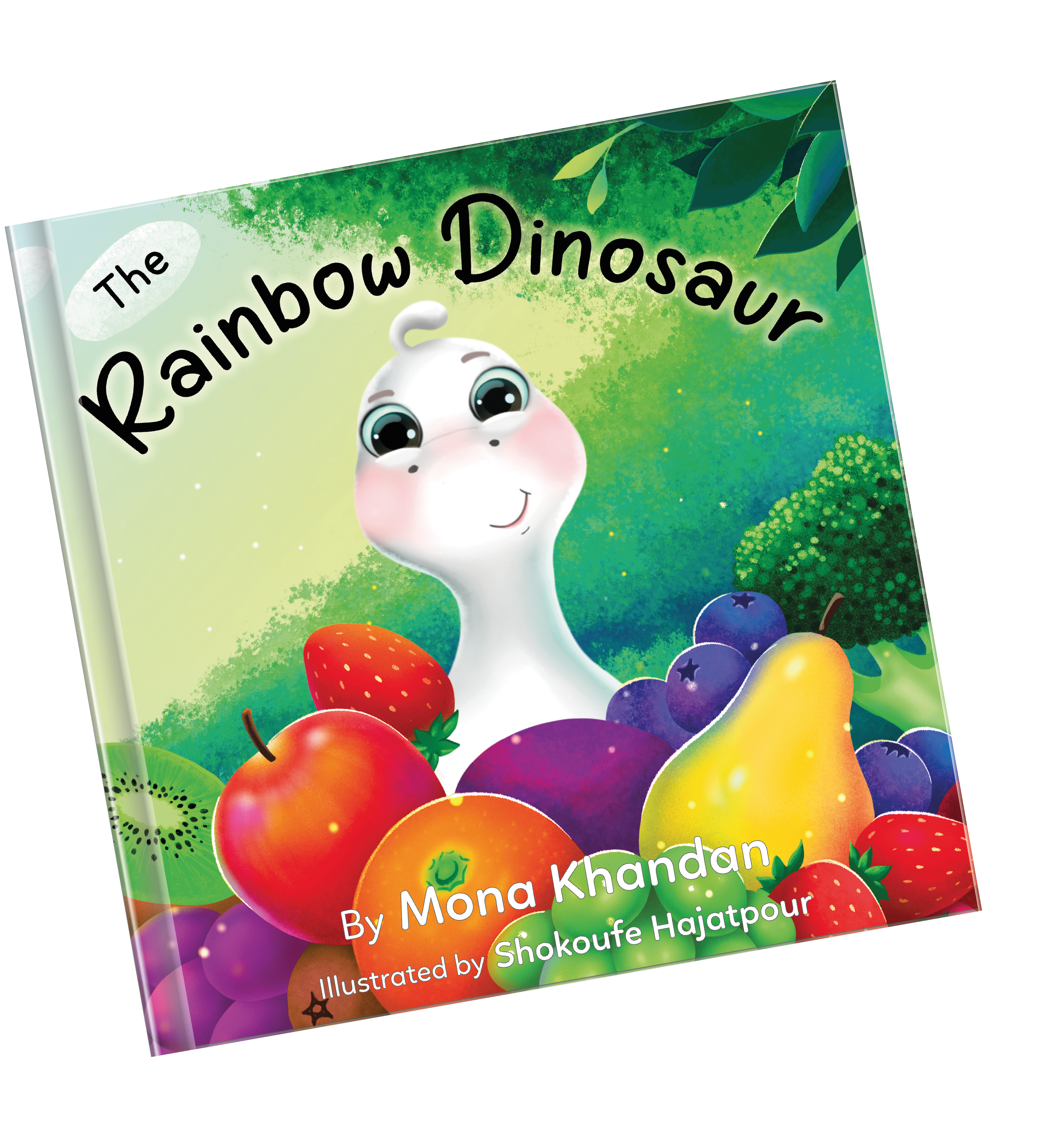
Meet The Rainbow Dinosaur
The Rainbow Dinosaur is a colorful picture-book adventure that introduces young readers to fruits, vegetables, trying new foods, and positive food choices through imaginative storytelling.
Related articles
- Healthy Eating for Kids
- Healthy Foods for Kids
- Healthy Snacks for Kids
- Healthy Lunch Ideas for Kids
- Healthy Breakfast for Kids
- Balanced Diet for Kids
- Picky Eating in Kids
- Vegetables for Kids
Frequently asked questions
How do I start meal planning for kids?
Start with a few meals your family already likes. Plan three to five dinners, repeat easy breakfasts and lunches, write a grocery list, and include a leftovers night.
What should a weekly meal plan include?
Include regular meals and snacks, fruits and vegetables, grains or other carbohydrate foods, protein foods, dairy or suitable alternatives, water, and flexible backup options.
How do I plan for a picky eater?
Include one familiar food at each meal, keep new-food portions small, serve toppings separately, and avoid preparing a completely separate menu whenever possible.
How does meal planning save money?
It can reduce food waste, impulse purchases, and repeated takeout. Reusing ingredients across several meals also lowers costs.
What are easy backup meals?
Eggs and toast, bean quesadillas, pasta with peas, yogurt with fruit and oats, soup with bread, and hummus with pita are reliable options.
Trusted sources and further reading
About the author
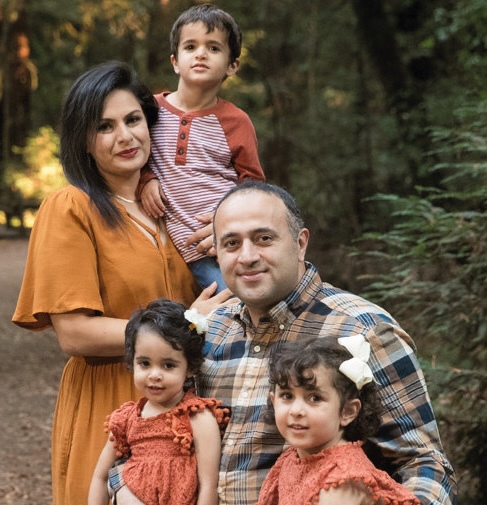
Mona Khandan is the author of The Rainbow Dinosaur, a children’s picture book that uses colorful storytelling to introduce fruits, vegetables, and positive food choices. She creates educational content for parents, teachers, and young readers.