
Quick answer
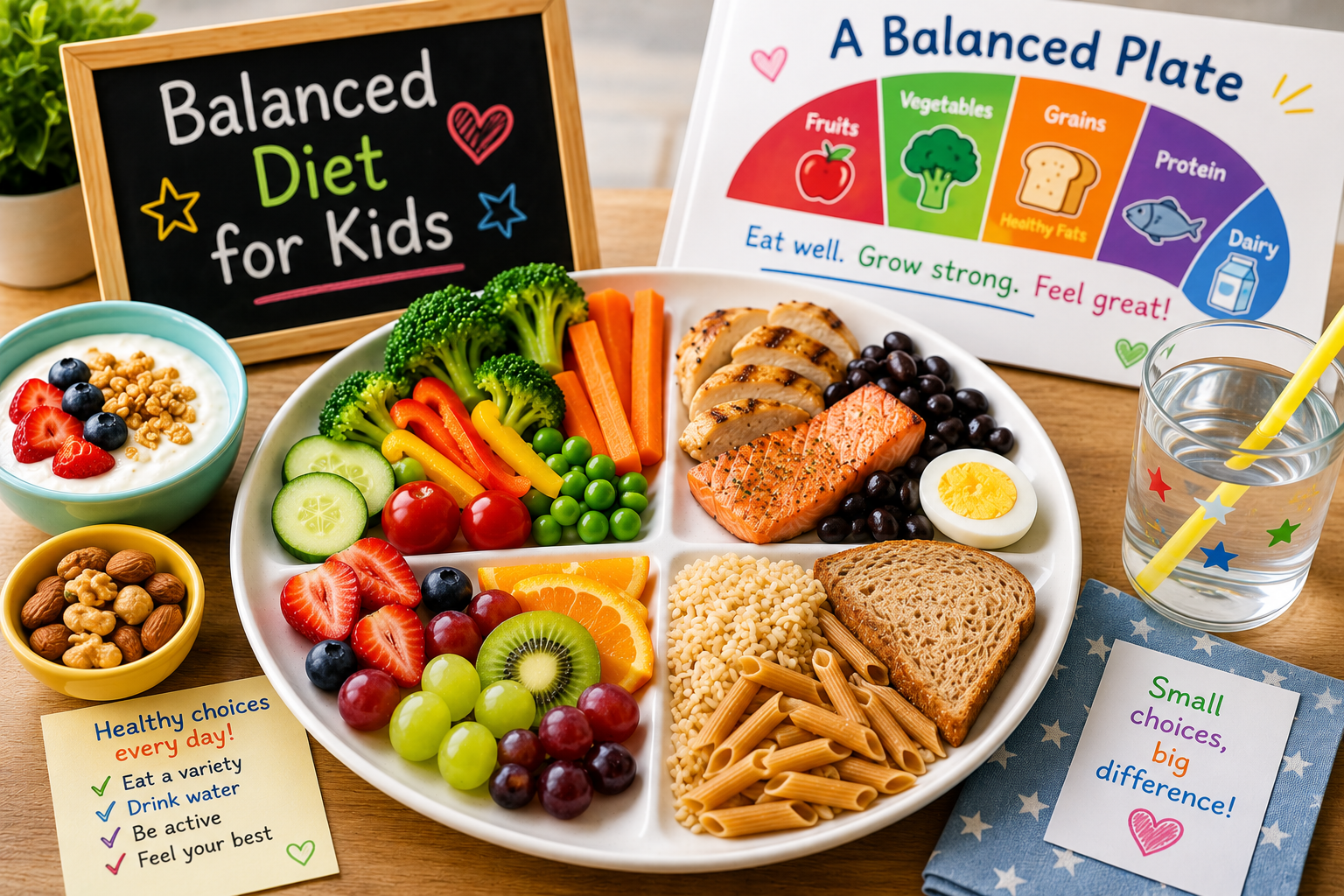
A balanced diet for kids includes a variety of fruits, vegetables, grains, protein foods, and dairy or suitable alternatives over the course of the day and week. A practical meal often combines a carbohydrate food, a protein food, and a fruit or vegetable. Water, regular eating opportunities, age-appropriate portions, and a calm approach to feeding are also important.
What does a balanced diet for kids mean?
A balanced diet gives children access to a range of nutrients, flavors, colors, and textures. It supports growth, energy, learning, movement, sleep, and overall well-being. Balance does not mean that every meal must contain the same foods or exact proportions.
Children often eat unevenly. They may eat a large breakfast and a small dinner, prefer one food for several days, or have less appetite during illness or slower growth periods. Looking at patterns across a day or week is usually more realistic than judging one meal.
Balance is a pattern, not a perfect plate
One meal may be mostly pasta and fruit. Another may include eggs, toast, and vegetables. Together, the meals can still contribute to a varied and balanced week.
The five food groups for kids
| Food group | Examples | What it contributes |
|---|---|---|
| Fruits | Bananas, berries, apples, pears, oranges, melon, mango | Fiber, water, vitamins, minerals, and natural sweetness |
| Vegetables | Carrots, peas, broccoli, sweet potatoes, peppers, spinach | Fiber, vitamins, minerals, color, flavor, and texture |
| Grains and starches | Oatmeal, rice, bread, pasta, tortillas, potatoes | Energy, fiber, and B vitamins |
| Protein foods | Eggs, beans, lentils, chicken, fish, tofu, nuts and seeds when safe | Protein, iron, zinc, and fats |
| Dairy or alternatives | Milk, yogurt, cheese, or fortified alternatives | Protein, calcium, vitamin D when fortified, and other nutrients |
How to build a balanced plate for kids
A simple plate formula can make meal planning easier:
- One carbohydrate food: bread, rice, pasta, oats, potatoes, or tortillas.
- One protein food: eggs, beans, lentils, fish, chicken, tofu, yogurt, or cheese.
- One fruit or vegetable: fresh, frozen, cooked, canned, or mashed.
- An optional dairy food or suitable alternative.
- Water with meals and throughout the day.
Example balanced plates
- Scrambled eggs, whole-grain toast, and orange slices.
- Rice, beans, avocado, and roasted peppers.
- Chicken, potatoes, peas, and yogurt.
- Pasta with lentil sauce, broccoli, and fruit.
- Hummus, pita, cucumber, and berries.
Balanced meal ideas for kids
Breakfast
- Oatmeal with berries and yogurt.
- Eggs with toast and fruit.
- Whole-grain pancakes with seed butter and banana.
- Greek yogurt with fruit and oats.
Lunch
- Turkey or hummus sandwich, cucumber, and fruit.
- Bean-and-cheese quesadilla with avocado and tomato.
- Pasta salad with peas, chicken or beans, and fruit.
- Lentil soup with bread and fruit.
Dinner
- Salmon, rice, and green beans.
- Chicken, sweet potato, and broccoli.
- Bean chili with cornbread and avocado.
- Whole-grain pasta with meat or lentil sauce and vegetables.
Balanced snack ideas for kids
| Snack | Food groups |
|---|---|
| Apple slices with cheese | Fruit + dairy |
| Banana with sunflower-seed butter | Fruit + protein/fat |
| Yogurt with berries | Dairy + fruit |
| Hummus with pita and cucumber | Protein + grain + vegetable |
| Avocado toast | Grain + healthy fat |
Portions, appetite, and how much children should eat
Children’s appetites vary with growth, activity, sleep, illness, emotions, medication, and the time since the last meal. Adults can begin with smaller portions and offer more when the child is still hungry. This reduces waste and makes the plate less overwhelming.
A useful division of responsibility
Adults decide what foods are offered, when meals and snacks happen, and where eating takes place. Children decide whether to eat and how much to eat from what is available.
A balanced diet at different ages
Toddlers
Offer three meals and regular snacks, soft and safe textures, and simple foods that are easy to manage. Repeated exposure matters.
Preschoolers
Preschoolers can help wash produce, stir batter, tear lettuce, or choose between two vegetables.
School-age children
School-age children may need portable breakfasts, packed lunches, after-school snacks, and meals that fit sports or activities.
Older children and teens
Encourage regular meals, access to satisfying foods, hydration, and practical cooking skills. Avoid weight-focused comments.
Can a picky eater still have a balanced diet?
Yes. Balance can be built from a limited list of accepted foods while new foods are introduced gradually.
Serve a familiar food
Including one accepted food can help the child feel secure enough to remain at the table.
Use tiny learning portions
A single pea, one thin cucumber slice, or a teaspoon of a new food may be enough.
Avoid pressure
Forcing bites, using dessert as a reward, or asking a child to clean the plate can increase stress.
Water, milk, and other drinks
Water is the main everyday drink for most children. Milk or a suitable fortified alternative may contribute protein, calcium, vitamin D, and other nutrients. Sweetened drinks can add a large amount of sugar without providing the same fullness as food.
Do sweets fit into a balanced diet?
A balanced diet can include desserts and celebration foods. A practical approach is to serve sweets in reasonable amounts without using them as rewards. The overall pattern matters more than one cookie or birthday cake.
Simple weekly meal planning
| Category | Choose two or three |
|---|---|
| Grains and starches | Rice, pasta, bread, oats, potatoes, tortillas |
| Proteins | Eggs, beans, lentils, chicken, fish, tofu |
| Vegetables | Broccoli, carrots, peas, peppers, cucumbers |
| Fruits | Bananas, apples, berries, oranges, melon |
| Dairy or alternatives | Milk, yogurt, cheese, fortified alternative |
Food safety and choking prevention
- Cut grapes, cherry tomatoes, cherries, and similar round foods into smaller, safer shapes.
- Cook hard fruits and vegetables until soft when needed.
- Avoid whole nuts, popcorn, hard candy, and large spoonfuls of nut butter for young children.
- Remove bones, pits, seeds, tough skins, and hard stems.
- Have children sit upright while eating.
- Supervise meals and snacks and keep eating times calm.
How stories can support healthy eating
Books and imaginative play can help children explore foods without turning the experience into a test. Ask children to notice colors, shapes, sounds, and textures.
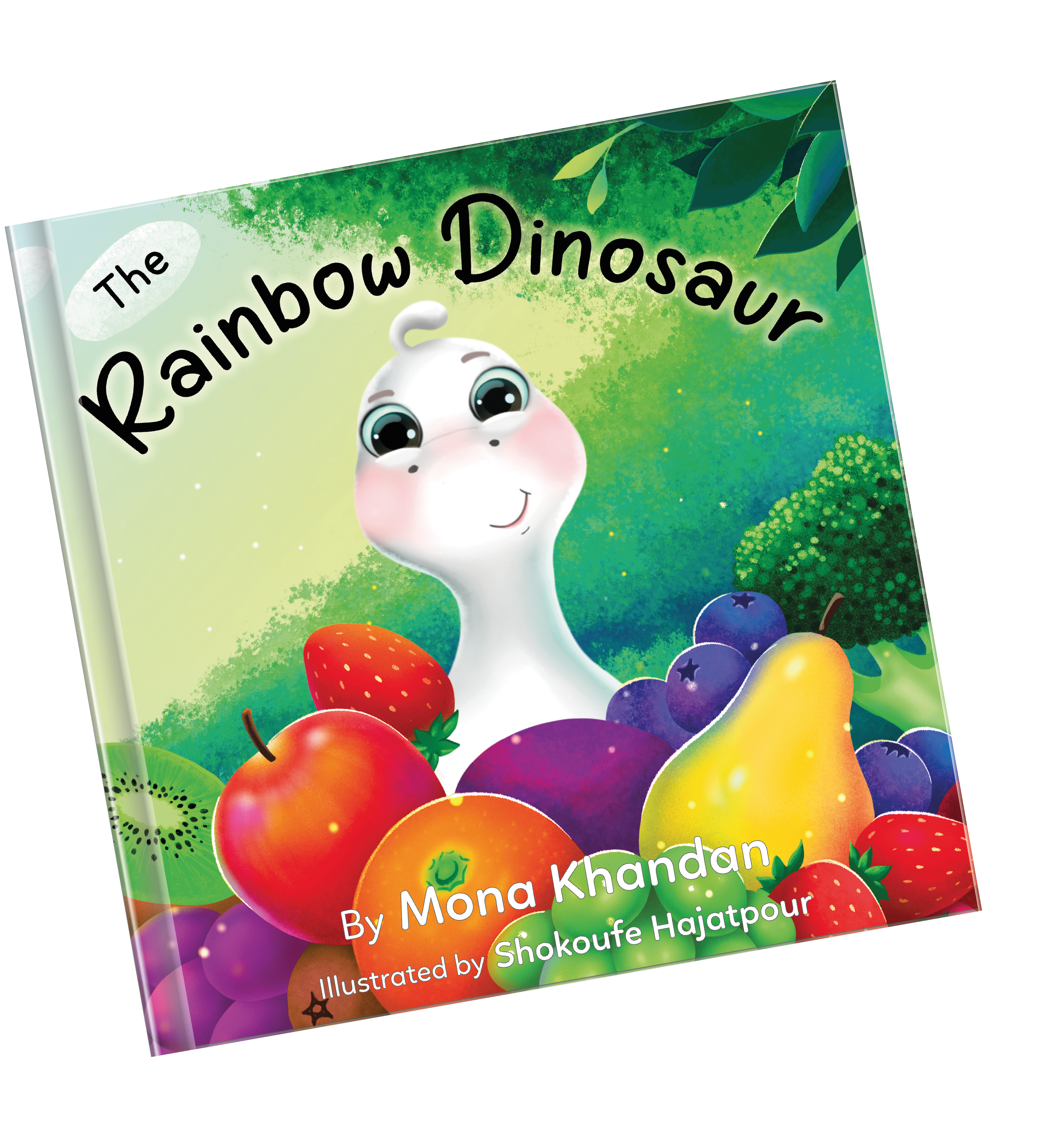
Meet The Rainbow Dinosaur
The Rainbow Dinosaur is a colorful picture-book adventure that introduces young readers to fruits, vegetables, trying new foods, and positive food choices.
Related articles
- Healthy Eating for Kids
- Healthy Snacks for Kids
- Healthy Lunch Ideas for Kids
- Healthy Breakfast for Kids
- Fruits for Kids
- Vegetables for Kids
- Food Groups for Kids
- Meal Planning for Kids
Frequently asked questions
What is a balanced diet for kids?
It is a varied eating pattern that includes fruits, vegetables, grains, protein foods, and dairy or suitable alternatives over time.
What should a balanced plate include?
A practical plate may include a carbohydrate food, a protein food, and a fruit or vegetable.
Can a picky eater still have a balanced diet?
Yes. Look at patterns across several meals or days and keep offering familiar foods alongside small portions of learning foods.
Trusted sources and further reading
About the author
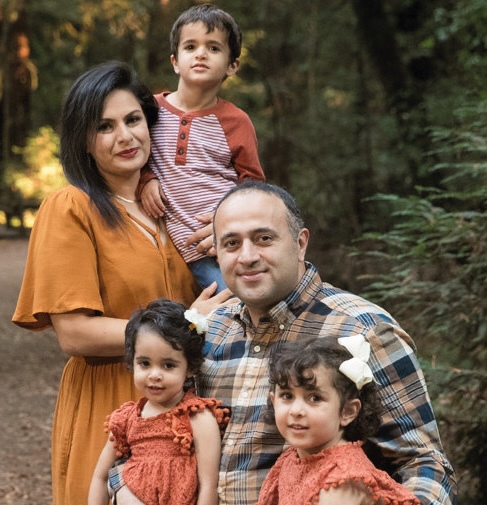
Mona Khandan is the author of The Rainbow Dinosaur, a children’s picture book that uses colorful storytelling to introduce fruits, vegetables, and positive food choices.