
The quick answer
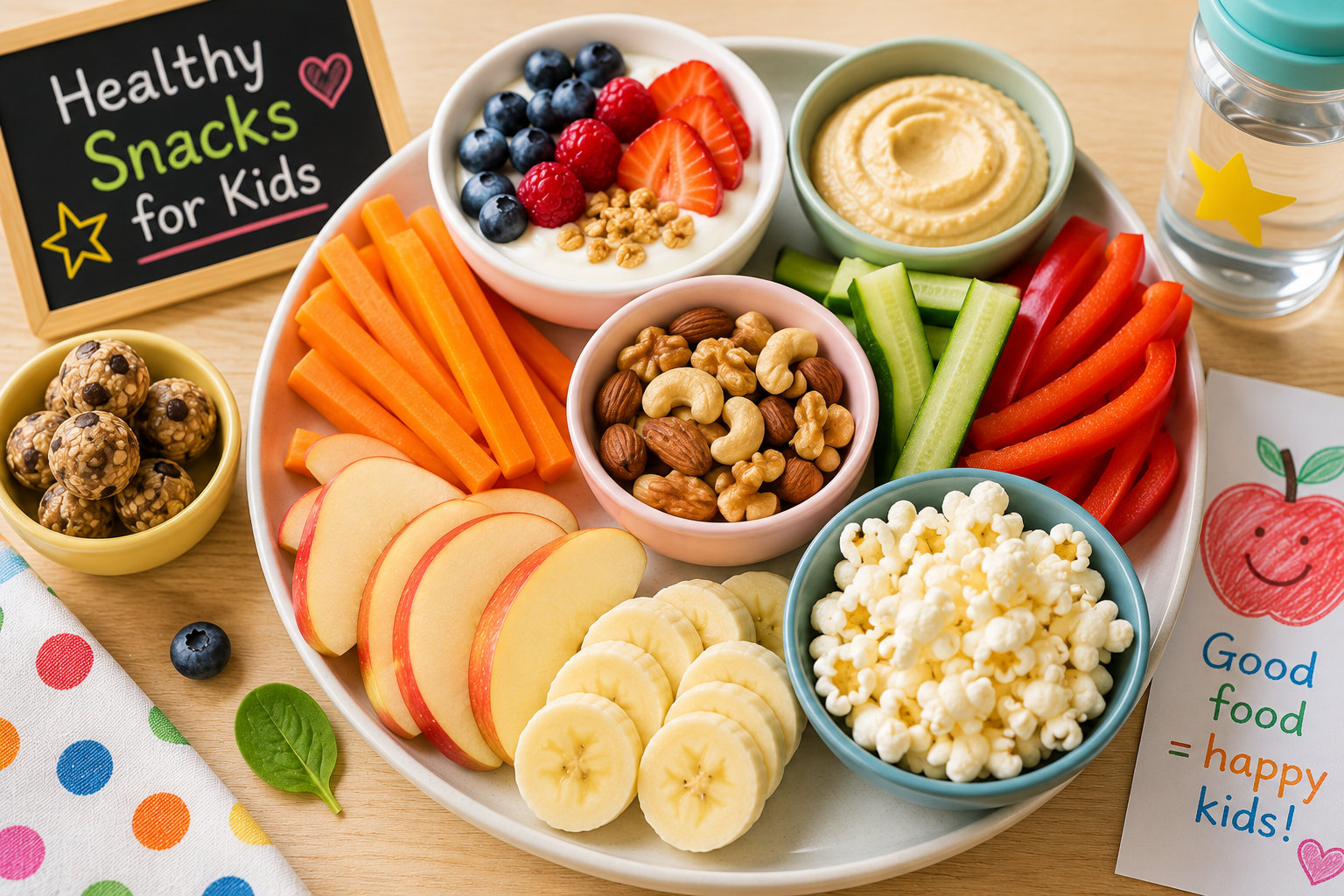
A healthy snack for kids can be as simple as combining two food groups. Try fruit with plain yogurt, vegetables with hummus, whole-grain crackers with cheese, or toast with a thin spread of nut or seed butter when safe. Plan snacks between meals, offer water as the everyday drink, and prepare foods in age-appropriate shapes and textures.
What makes a healthy snack for kids?
A snack does not need to be elaborate or perfectly balanced. Its purpose is to help bridge the time between meals, respond to hunger, and add useful foods to the child’s overall eating pattern.
A practical snack often includes foods that provide fiber, protein, healthy fats, or nourishing carbohydrates. Combining two food groups can make a snack more satisfying and varied than offering one highly processed snack food by itself.
Healthy snacks can also help children become more familiar with fruits and vegetables. Fresh, frozen, canned, or dried produce may all fit, depending on the child’s age and eating skills. Choose canned or frozen fruit without added sugars when possible and lower-sodium vegetables when available.
A useful snack is one that fits the child’s hunger, schedule, age, eating skills, allergies, and family routine.
A simple balanced-snack formula
Choose one item from each of two columns. You do not need to follow this formula every time, but it can make planning easier.
| Choose a fruit, vegetable, or whole grain | Add a protein food, dairy food, or healthy fat | Example combination |
|---|---|---|
| Apple, pear, banana, berries, orange, melon | Plain yogurt, cheese, cottage cheese, nut or seed butter when safe | Apple slices with a thin spread of seed butter |
| Cucumber, bell pepper, soft-cooked carrots, peas | Hummus, bean dip, yogurt dip | Cucumber slices with hummus |
| Whole-grain crackers, toast, pita, low-sugar cereal | Cheese, egg, avocado, yogurt | Whole-grain crackers with cheese |
| Unsweetened applesauce or fruit packed in its own juice | Plain yogurt or cottage cheese | Applesauce with plain yogurt |
Keep portions child-sized
Start with a small amount and let the child ask for more. A snack should reduce hunger without replacing the next meal. Appetite naturally varies from day to day.
Easy healthy snack ideas for kids
Fruit-based snacks
- Banana with a thin spread of peanut, nut, or seed butter when safe
- Berries with plain yogurt
- Apple or pear slices with cheese
- Unsweetened applesauce with whole-grain crackers
- Orange segments with plain yogurt
- Soft fruit with cottage cheese
Vegetable-based snacks
- Cucumber slices with hummus
- Soft-cooked carrots with yogurt dip
- Bell pepper strips with bean dip for children who can safely manage the texture
- Avocado spread on whole-grain toast
- Peas with small cubes of cheese
- Tomato pieces with mozzarella, prepared in an age-appropriate size
Protein and whole-grain snacks
- Hard-boiled egg with whole-grain toast
- Whole-grain crackers with cheese
- Plain yogurt with low-sugar whole-grain cereal
- Small bean-and-cheese quesadilla
- Whole-grain pita with hummus
- Toast with mashed avocado and egg
Quick snacks that require little preparation
- Banana
- Unsweetened applesauce cup
- Plain yogurt
- Cheese with fruit
- Whole-grain cereal with milk or a suitable fortified alternative
- Fruit packed in water or its own juice
How often should children have snacks?
Snack needs depend on age, appetite, growth, activity, medical needs, and the timing of meals. Many young children need one or more planned snacks because their stomachs are small and they may not eat enough at one meal to stay comfortable until the next.
A predictable eating rhythm can help. Rather than allowing continuous grazing throughout the day, offer snacks at planned times and leave enough space before the next meal for hunger to return. Water can remain available between meals and snacks.
Watch the child’s hunger and fullness cues. Children may eat a larger snack on an active day and a smaller one on another day. The adult can decide what, when, and where food is offered; the child can decide whether and how much to eat from what is available.
Healthy school snacks and on-the-go ideas
School and travel snacks work best when they are portable, not too messy, and suitable for the available storage. Follow school allergy policies and use an insulated lunch bag with an ice pack when foods need refrigeration.
Room-temperature options
- Banana, orange, or whole apple for children able to eat it safely
- Unsweetened applesauce pouch or cup
- Whole-grain crackers
- Low-sugar whole-grain cereal
- Dried fruit in a child-sized portion for children who can safely chew it
- Seed-butter sandwich on whole-grain bread when permitted
Options for an insulated bag
- Plain yogurt with berries
- Cheese with sliced fruit
- Hummus with cucumber or soft-cooked vegetables
- Hard-boiled egg with whole-grain crackers
- Cottage cheese with fruit
Let children help choose
Offer two acceptable options: “Would you like a banana with yogurt or crackers with cheese?” A limited choice gives children some control while keeping the available foods manageable.
Healthy snacks for picky eaters
Snack time can be a low-pressure opportunity to explore food. Avoid making every snack completely unfamiliar. Include at least one food the child usually accepts, then add a small amount of something less familiar beside it.
Helpful approaches include:
- Serve foods separately if mixed textures are difficult.
- Offer a very small portion of the new food.
- Let the child touch, smell, or lick a food without requiring a bite.
- Try the same food in different forms, such as sliced apple, applesauce, or baked apple.
- Invite children to wash fruit, spread hummus, or arrange foods on a plate.
- Use neutral descriptions such as crunchy, smooth, cold, sweet, or juicy.
Repeated exposure matters, but pressure is not necessary. A child may need many calm encounters with a food before choosing to taste or eat it.
What drinks should go with snacks?
Water is a useful everyday choice, especially between meals. Plain milk or a suitable unsweetened fortified alternative may also be served depending on the child’s age and dietary needs.
Sugary drinks can add substantial amounts of added sugar without offering the same fiber or fullness as whole fruit. Whole fruit is generally a better everyday choice than fruit juice. Families with questions about milk, juice, or alternative beverages should speak with the child’s healthcare professional.
Snack safety: choking, allergies, and storage
Snack ideas must be adjusted for the child’s age, development, chewing ability, and medical needs. Young children should sit while eating and be supervised.
Common choking hazards include whole grapes, nuts, popcorn, hard raw vegetables, chunks of meat or cheese, round slices of sausage, hard candy, and thick spoonfuls of nut butter. Foods may need to be cooked until soft, grated, mashed, cut lengthwise, chopped into small pieces, or spread thinly.
For allergies, follow the child’s individualized plan and read labels each time because ingredients and manufacturing practices can change. School and childcare settings may have additional rules. Seek emergency care for signs of a severe allergic reaction according to the child’s medical plan.
Perishable snacks such as yogurt, cheese, eggs, and cut produce should be kept cold. Discard food that has been left at unsafe temperatures or handled in a way that raises food-safety concerns.
How stories can make snack time more engaging
Stories can introduce fruits and vegetables in a playful setting before a child sees them at the table. After reading, families and classrooms can create a simple “rainbow snack” using several naturally colorful foods.
Try questions such as:
- Which colors can you find in this snack?
- Which food is crunchy, soft, smooth, or juicy?
- What fruit or vegetable would a dinosaur choose?
- Which new food would you like to smell or touch today?
Meet The Rainbow Dinosaur
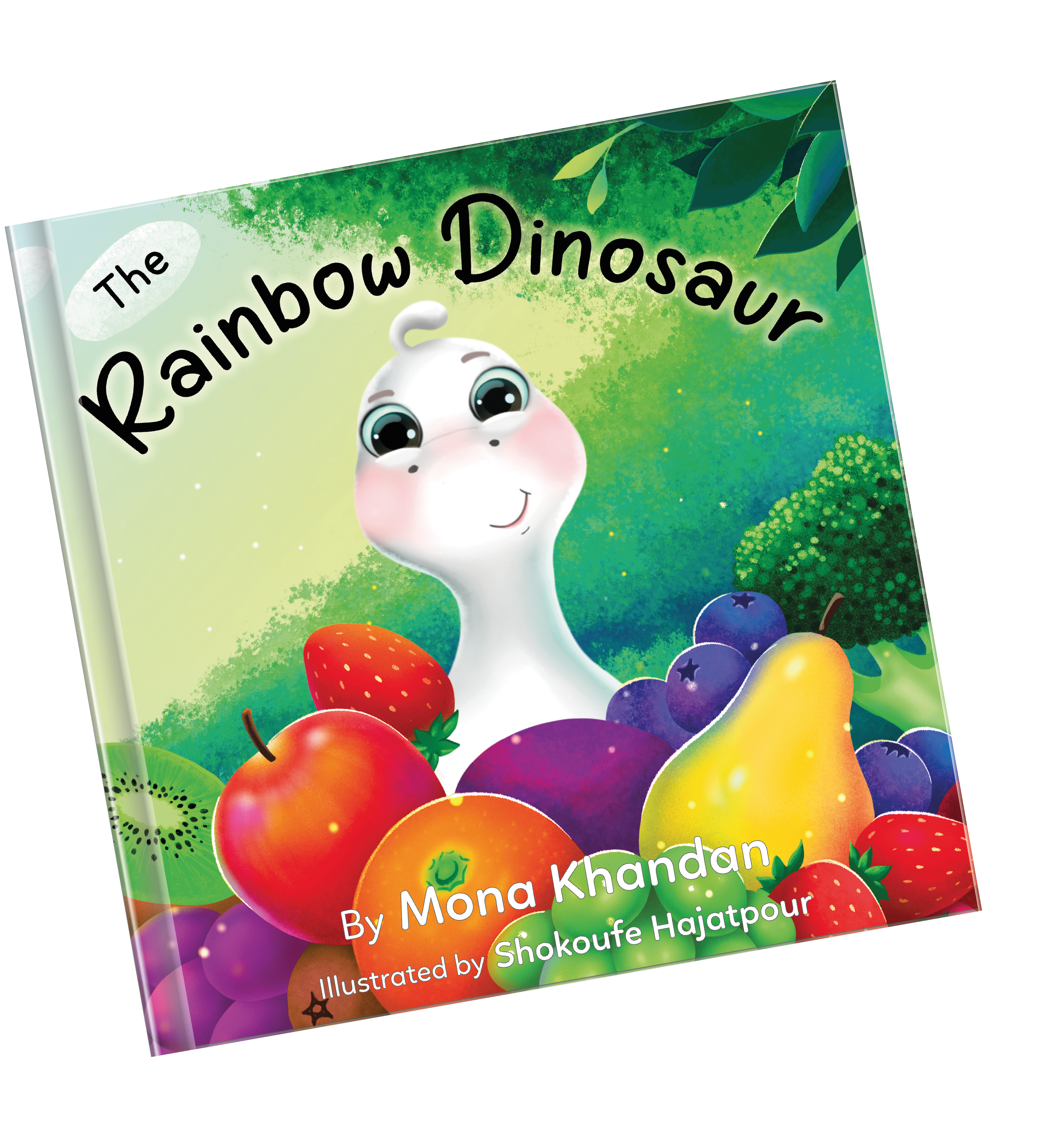
The Rainbow Dinosaur is a colorful picture-book adventure that introduces young readers to fruits, vegetables, trying new foods, and positive food choices through an imaginative dinosaur story.
Frequently asked questions
What makes a healthy snack for kids?
A practical healthy snack often combines two food groups, such as fruit with yogurt, vegetables with hummus, or whole-grain crackers with cheese. This can provide a useful mix of fiber, protein, carbohydrates, and other nutrients.
How many snacks should children have each day?
It varies by age, appetite, schedule, activity, and growth. Many young children have one to three planned snacks between meals. Ask a pediatrician or registered dietitian for individualized guidance.
What are easy school snacks for kids?
Examples include a banana, unsweetened applesauce, whole-grain crackers with cheese, plain yogurt with fruit, or vegetables with hummus. Follow school allergy rules and keep perishable foods cold.
Are packaged snacks always unhealthy?
No. Packaged foods can be convenient. Compare labels and look for options with useful nutrients and less added sugar and sodium. Examples may include unsweetened applesauce, plain yogurt, whole-grain crackers, or low-sugar whole-grain cereal.
How can I make snacks safer for young children?
Prepare foods in age-appropriate shapes and textures, supervise eating, follow allergy guidance, and modify common choking hazards such as whole grapes, hard raw vegetables, nuts, popcorn, and thick spoonfuls of nut butter.
Trusted sources and further reading
This guide is educational and is informed by public nutrition resources. For personalized advice, consult your child’s pediatrician or a registered dietitian.
About the author
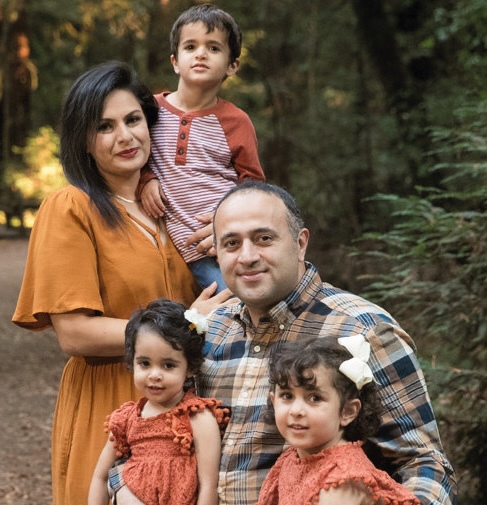
Mona Khandan is the author of The Rainbow Dinosaur, a children’s picture book that uses colorful storytelling to introduce fruits, vegetables, and positive food choices. She creates educational content for parents, teachers, and young readers.