
Quick answer
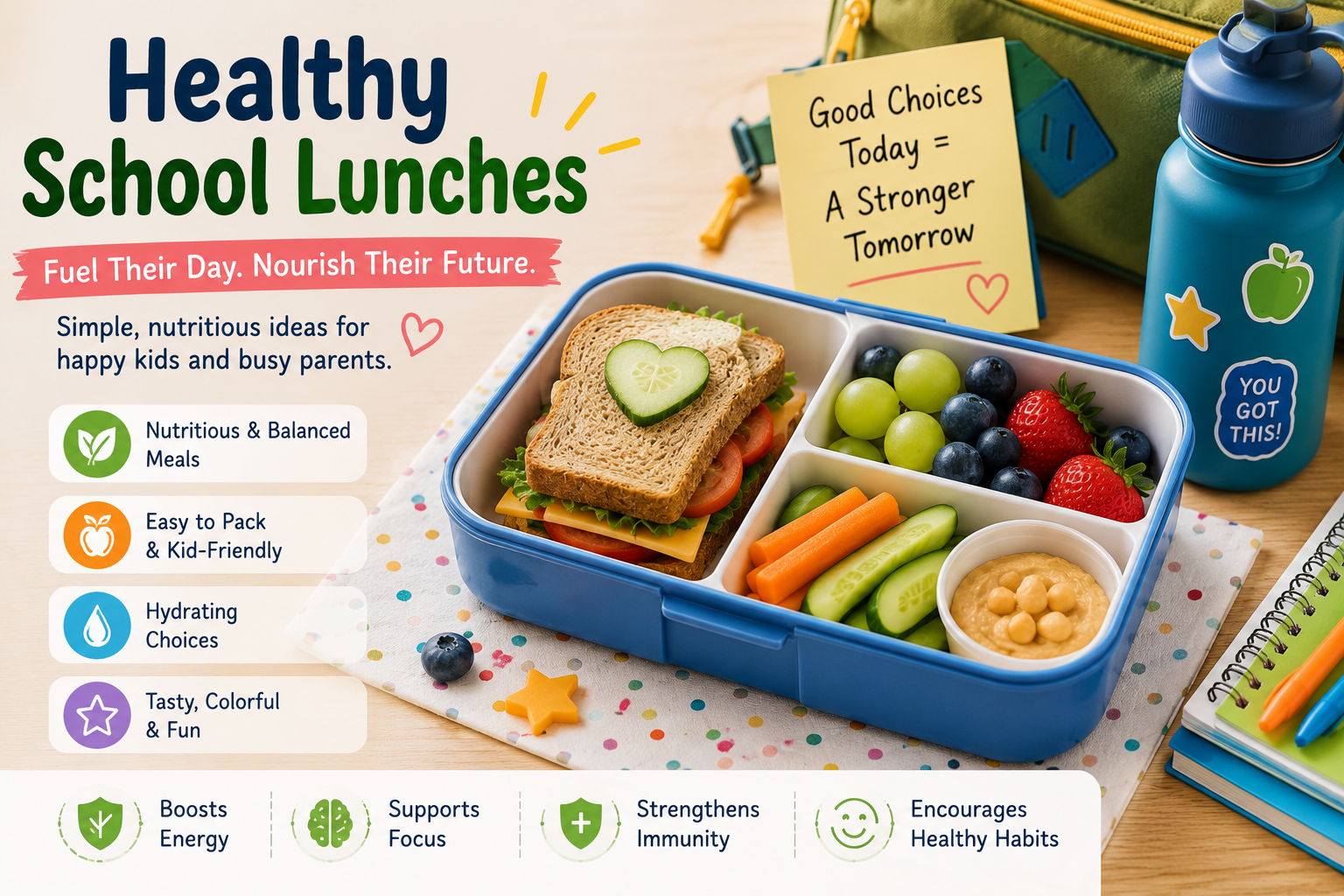
A healthy school lunch can be built from four simple parts: a grain or starchy food, a protein food, a fruit or vegetable, and a drink such as water. Add dairy or a fortified alternative when it works for your child. The best lunch is one that is safe, practical, familiar enough to eat, and varied over time.
What makes a school lunch healthy?
A healthy school lunch gives children enough energy to learn, play, and get through the afternoon. It does not need to include every food group in perfect proportions, and it does not need to look the same every day.
A realistic lunch usually combines carbohydrates for energy, protein and fat for staying power, and produce for fiber, vitamins, minerals, and variety. Water is often the simplest drink. The overall pattern across the week matters more than one individual lunch.
A useful lunch also needs to fit the child. A balanced meal that comes home untouched is not very helpful. Familiar foods, manageable portions, easy-to-open containers, and enough time to eat are all part of a successful school lunch.
The simple healthy lunchbox formula
Use this flexible formula when you need to pack lunch quickly:
Easy lunchbox formula
Grain or starch + protein food + fruit or vegetable + optional dairy or fortified alternative + water
Example: whole-grain pita + hummus + cucumber and strawberries + yogurt + water.
| Lunchbox part | Why it helps | Easy choices |
|---|---|---|
| Grain or starch | Provides energy for learning and play | Bread, pita, tortilla, rice, pasta, crackers, oats, potatoes |
| Protein food | Supports growth and helps lunch feel satisfying | Eggs, beans, hummus, chicken, turkey, tuna, tofu, cheese, yogurt |
| Fruit or vegetable | Adds fiber, vitamins, minerals, color, and variety | Berries, apple, orange, cucumber, carrots, peas, peppers |
| Dairy or alternative | Can provide calcium, protein, and vitamin D | Milk, yogurt, cheese, fortified soy milk |
| Drink | Supports hydration | Water or another family-approved option |
Keep portions realistic
School lunch periods can be short. Large portions and crowded lunchboxes may feel overwhelming, especially for younger children. Pack a modest amount that your child can finish comfortably, then adjust based on what regularly comes home.
Choose easy-to-eat foods
Children are more likely to eat food they can open and manage independently. Practice using containers at home, peel oranges ahead of time, cut sandwiches into easy shapes, and avoid packaging that is difficult for small hands.
25 healthy school lunch ideas
Sandwich and wrap lunches
- Turkey and cheese sandwich with cucumber slices and berries.
- Hummus and grated carrot wrap with apple slices.
- Chicken and avocado pita with cherry tomatoes prepared appropriately for age.
- Egg salad sandwich with orange wedges and snap peas.
- Sunflower seed butter and banana sandwich with yogurt.
Snack-style lunchboxes
- Whole-grain crackers, cheese cubes, grapes prepared appropriately, and cucumber.
- Hummus, pita triangles, carrots, berries, and a boiled egg.
- Yogurt, whole-grain cereal, banana slices, and pumpkin seeds when age-appropriate.
- Turkey roll-ups, crackers, apple slices, and bell pepper strips.
- Edamame, rice crackers, pineapple, and cheese.
Warm lunch ideas
- Chicken and rice with peas in a preheated food container.
- Macaroni with broccoli and beans.
- Lentil soup with bread and fruit.
- Bean and cheese quesadilla wedges with corn and melon.
- Pasta with tomato sauce, turkey meatballs, and cucumber.
Vegetarian school lunches
- Black bean and cheese burrito with salsa and orange slices.
- Tofu rice bowl with edamame and mango.
- Chickpea salad pita with cucumber and berries.
- Mini vegetable frittata with toast and fruit.
- Peanut, nut, or seed butter dip with apple, crackers, and yogurt, following school allergy rules.
Simple no-cook lunches
- Cheese sandwich, strawberries, and cucumber rounds.
- Tuna and crackers with peas and pear slices.
- Greek yogurt, oats, berries, and a small muffin.
- Chicken slices, pita, hummus, and carrots.
- Cottage cheese, fruit, whole-grain crackers, and sliced peppers.
Healthy school lunches for picky eaters
A school lunch is usually not the best place to test a completely unfamiliar meal. Children may have limited time, distractions, noise, and less support than they have at home. Pack enough familiar food that your child can comfortably eat.
Use the familiar-plus-one approach
Pack two or three foods your child reliably eats and add one small optional item for exposure. The new item might be one cucumber round, two blueberries, a tiny piece of cheese, or a small spoonful of a new dip.
Deconstruct mixed meals
Some children prefer ingredients served separately. Instead of a full sandwich, pack bread squares, turkey, cheese, and cucumber in separate compartments. Instead of a mixed pasta salad, pack plain pasta beside chicken and vegetables.
Repeat without making lunch boring
Repetition can be reassuring. Keep the main item familiar and rotate one side. A cheese sandwich can appear with strawberries one day, cucumber the next, and apples later in the week.
| Familiar favorite | Small next step | Optional exposure |
|---|---|---|
| Plain crackers | Crackers with cheese | Crackers with hummus |
| Plain pasta | Pasta with butter | Pasta beside peas |
| White bread sandwich | Half white, half whole-grain bread | Add lettuce or cucumber on the side |
| Yogurt | Yogurt with cereal | Add one berry |
| Apple slices | Apple with cheese | Apple with seed butter dip |
Make-ahead and meal-prep tips
Prepare components instead of complete lunches
Wash fruit, cut age-appropriate vegetables, cook a batch of grains, boil eggs, and portion crackers or cheese. In the morning, combine a few prepared items instead of starting from zero.
Create a lunchbox station
Keep lunch containers, napkins, reusable utensils, and shelf-stable foods in one place. Store refrigerated options together so children can help choose one item from each category.
Pack the night before
Sandwiches, wraps, snack boxes, pasta salads, fruit, and many sides can be packed in advance. Refrigerate the lunch promptly. Keep wet ingredients separate when they may make bread or crackers soggy.
Use dinner leftovers thoughtfully
Leftover rice, chicken, roasted vegetables, pasta, soup, or quesadillas can become lunch. Cool and store leftovers safely, then reheat and pack them according to food safety guidance.
Ten-minute evening prep
- Choose the main item.
- Add one fruit or vegetable.
- Add one small side such as yogurt or crackers.
- Fill the water bottle in the morning.
- Add ice packs just before leaving home.
School lunch food safety
Perishable foods need temperature control. Use an insulated lunch bag and enough frozen ice packs to keep cold foods cold. Keep the packed lunch refrigerated until the child leaves for school whenever possible.
For hot foods, preheat an insulated food container with hot water, empty it, then add thoroughly heated food and close it immediately. Follow the container manufacturer’s instructions and school guidance.
Cold foods that usually need ice packs
- Meat, poultry, fish, and egg dishes.
- Milk, yogurt, cheese, and many dairy alternatives.
- Cooked rice, pasta, beans, and leftovers.
- Cut melon and other foods that require refrigeration.
Choking prevention
Food should be prepared for the child’s age and developmental skills. Whole grapes, whole nuts, popcorn, hard raw vegetable chunks, hot dogs, large spoonfuls of nut butter, and other foods may be choking hazards for younger children.
Budget-friendly healthy school lunches
Healthy school lunches can be affordable when families rely on simple staple foods, use leftovers, buy produce in season, and reduce individually packaged items.
Low-cost lunchbox staples
- Oats, rice, pasta, bread, tortillas, and potatoes.
- Beans, lentils, eggs, canned tuna, and hummus.
- Carrots, cucumbers, bananas, apples, and seasonal fruit.
- Plain yogurt in a reusable container.
- Homemade muffins, popcorn only for children old enough to eat it safely, and portioned crackers.
Use one ingredient several ways
A batch of roasted chicken can become a sandwich, rice bowl, quesadilla, or pasta lunch. Beans can be used in tacos, hummus-style dips, soups, or rice bowls. This reduces waste and simplifies shopping.
Five-day healthy school lunch plan
| Day | Main item | Fruit or vegetable | Side |
|---|---|---|---|
| Monday | Turkey and cheese sandwich | Cucumber and strawberries | Yogurt |
| Tuesday | Hummus and pita | Carrots and orange slices | Boiled egg |
| Wednesday | Chicken and rice | Peas and pineapple | Cheese cubes |
| Thursday | Bean and cheese quesadilla | Corn and melon | Plain yogurt dip |
| Friday | Crackers with tuna or chickpea salad | Apple and bell pepper | Mini muffin |
This plan is only an example. Swap foods for allergies, preferences, cultural traditions, school rules, and what your family already has at home.
Healthy school lunch checklist
Use this as a flexible planning guide rather than a strict scorecard.
| Question | Examples |
|---|---|
| Is there an energy-giving grain or starch? | Bread, pita, rice, pasta, crackers, potatoes |
| Is there a protein food? | Egg, beans, hummus, chicken, tofu, cheese, yogurt |
| Is there a fruit or vegetable? | Apple, berries, cucumber, carrots, peas, peppers |
| Is the amount realistic? | Small, manageable portions that fit the lunch period |
| Can the child open and eat everything independently? | Easy containers, peeled fruit, simple utensils |
| Will the food stay at a safe temperature? | Insulated bag, ice packs, or a properly used hot-food container |
| Does it follow school allergy rules? | Check restrictions before packing nuts, seeds, or shared foods |
Common school lunch mistakes
Packing too much food
An overflowing lunchbox can make it hard for a child to choose what to eat. Pack smaller amounts and add more only when the child regularly finishes lunch and still feels hungry.
Sending only unfamiliar foods
New foods are usually easier to explore at home. Include familiar choices at school and keep optional exposure portions small.
Ignoring the school schedule
Some children eat early, late, or very quickly. The timing of lunch and snacks may affect appetite. Adjust portions and food types to the actual school day.
Making lunch too complicated
A sandwich, fruit, vegetable, and yogurt can be an excellent lunch. Variety over the week matters more than creating a different elaborate meal every day.
Make lunchbox learning playful
Children can help choose one food from each lunchbox category, count colors, draw a lunch plan, or pack a fruit or vegetable inspired by a favorite story. Participation builds confidence and makes balanced eating feel less like a rule.
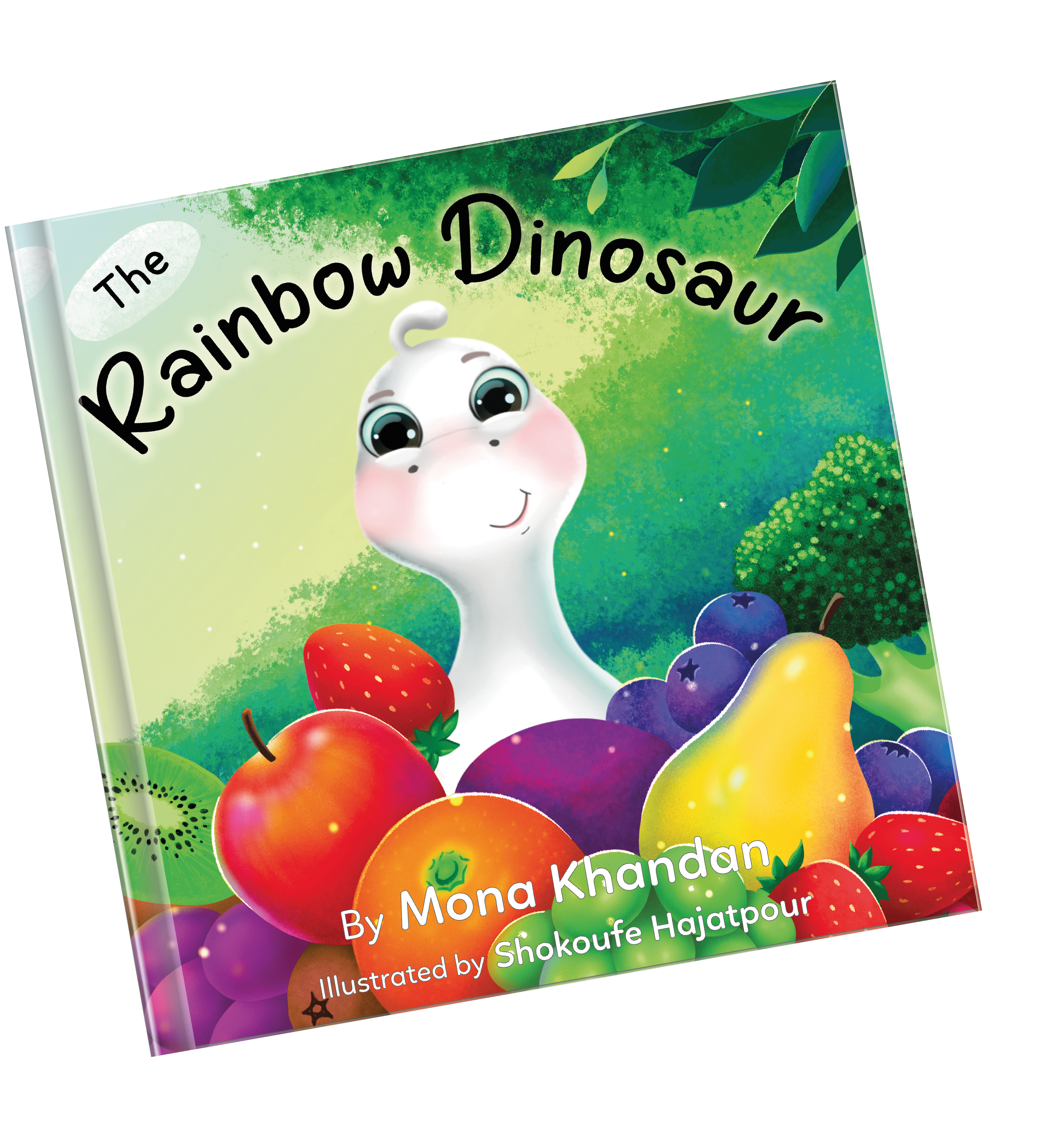
Add more color to lunch with The Rainbow Dinosaur
The Rainbow Dinosaur introduces young readers to colorful fruits, vegetables, and positive food choices through an engaging picture-book adventure. Families and teachers can use the story to inspire lunchbox conversations, food-color games, and playful tasting activities.
Related articles
- Healthy Lunch Ideas for Kids
- Healthy Snacks for Kids
- Meal Planning for Kids
- Healthy Foods for Kids
- Balanced Diet for Kids
- Food Groups for Kids
- Picky Eating in Kids
- Healthy Eating Habits for Kids
Frequently asked questions
What should a healthy school lunch include?
A practical healthy lunch can include a grain or starchy food, a protein food, a fruit or vegetable, and water. Dairy or a fortified alternative may be added when appropriate.
How can I keep a school lunch cold?
Use an insulated lunch bag with enough frozen ice packs, keep perishable food refrigerated until leaving home, and follow current food safety and school guidance.
What are easy school lunches for picky eaters?
Try a familiar sandwich, crackers with cheese or hummus, fruit, yogurt, or a deconstructed snack-style lunch. Add one tiny optional food for exposure without pressure.
How much food should I pack?
Pack a realistic amount based on your child’s appetite, age, school schedule, and eating time. Smaller portions with variety are often easier to manage than an overfilled lunchbox.
Can I prepare school lunches the night before?
Yes. Many foods can be washed, portioned, or assembled the night before and stored safely in the refrigerator. Keep crisp and wet ingredients separate when needed.
What can I pack instead of a sandwich?
Try rice bowls, pasta, quesadillas, soup in a hot-food container, hummus and pita, crackers with protein foods, yogurt bowls, or leftovers packed safely.
Should dessert be included in school lunch?
Families can decide what works for them. A small sweet food can fit alongside other foods without being used as a reward or requiring the child to finish everything else first.
Trusted sources and further reading
About the author
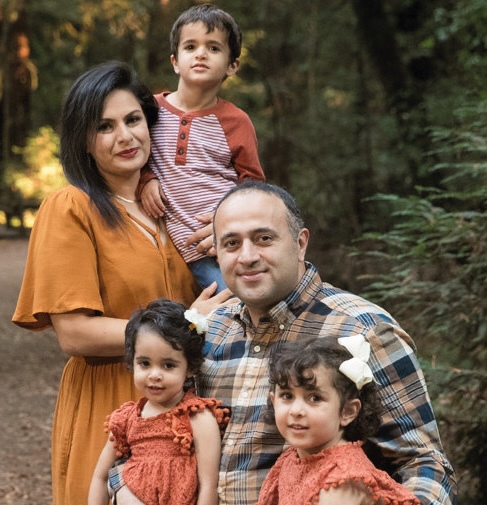
Mona Khandan is the author of The Rainbow Dinosaur, a children’s picture book that uses colorful storytelling to introduce fruits, vegetables, and positive food choices. She creates educational content for parents, teachers, and young readers.