
Quick answer
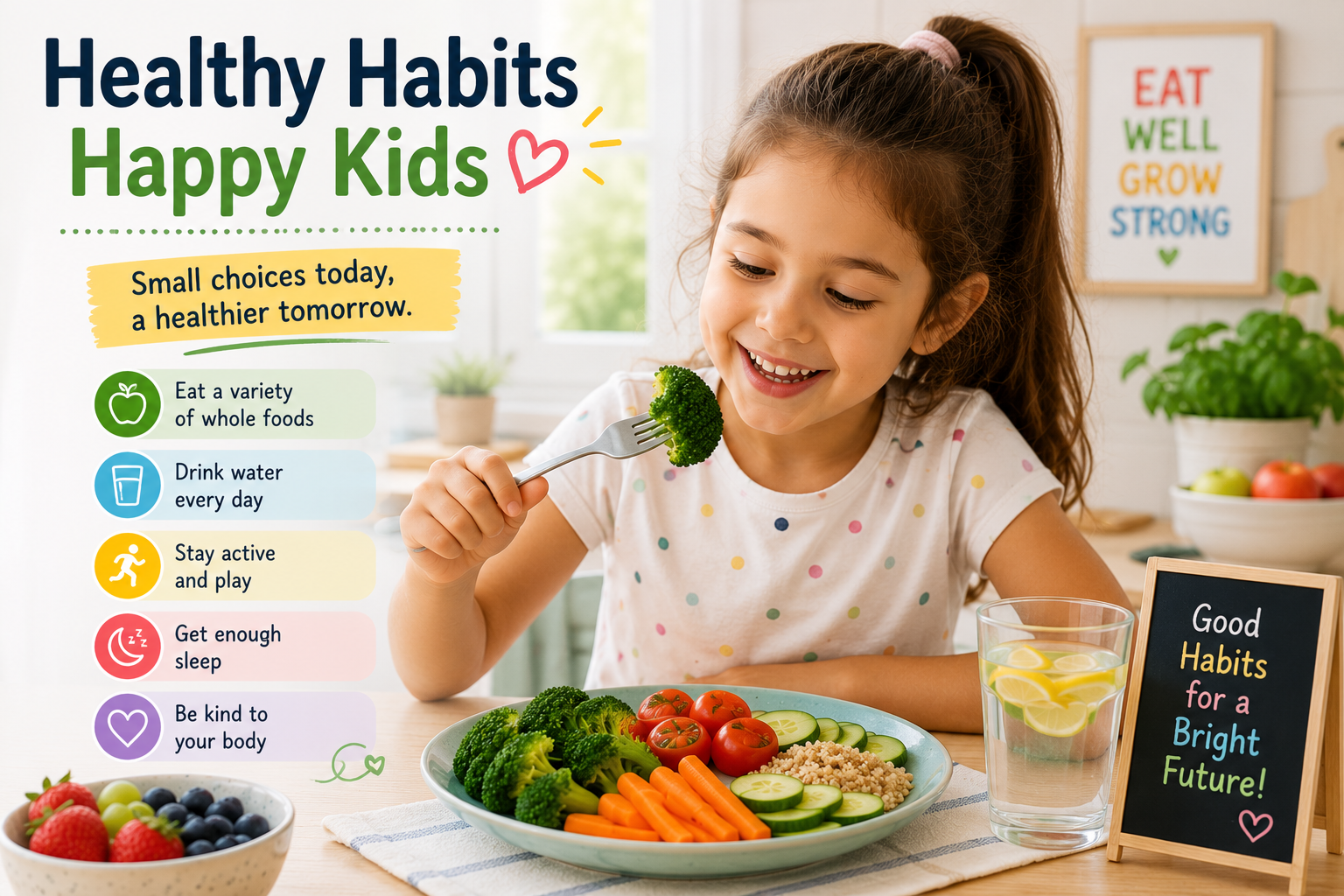
The best healthy eating habits for kids are regular meals and snacks, water as the everyday drink, a variety of foods, family meals when possible, age-appropriate involvement in food preparation, and respect for hunger and fullness cues. Parents can lead by example, keep expectations realistic, and offer unfamiliar foods repeatedly without forcing children to eat them.
Why healthy eating habits matter
Healthy eating habits are the repeated routines and attitudes that shape how children experience food. They include when children eat, what foods are regularly available, how adults talk about food, and whether mealtimes feel calm, rushed, pressured, or enjoyable.
A child’s eating pattern will naturally change from day to day. Appetite can be affected by growth, activity, sleep, illness, emotions, and developmental stages. For that reason, healthy habits are more useful than judging a single meal.
When families focus on routines rather than perfection, children have more opportunities to develop food skills. They learn how to sit for meals, drink from a cup, use utensils, notice hunger, try unfamiliar textures, and participate in family life.
Think in patterns, not perfect plates
One meal does not define a child’s diet. Look at the variety and balance offered over several days instead of expecting every plate to include everything.
15 healthy eating habits for kids
1. Eat meals and snacks at regular times
A predictable rhythm helps children arrive at meals ready to eat. Regular eating opportunities can also reduce constant grazing, which may make it harder for children to notice hunger.
2. Drink water throughout the day
Keep water easy to reach and offer it with meals and between eating times. A child-sized bottle or cup can help children practice drinking independently.
3. Include fruits and vegetables often
Fresh, frozen, canned, cooked, or blended produce can all contribute variety. Offer small portions regularly and serve them in different forms so children can explore color, flavor, and texture.
4. Include a protein food at meals
Eggs, beans, lentils, chicken, fish, tofu, yogurt, cheese, and nut or seed butters are practical options. Choose foods appropriate for the child’s age, allergy needs, and chewing ability.
5. Choose whole grains sometimes
Oats, whole-grain bread, brown rice, whole-grain pasta, and whole-grain cereals can add fiber and variety. Children do not need every grain to be whole grain for the overall pattern to be balanced.
6. Share family meals when possible
Family meals give children a chance to watch others eat, practice conversation, and participate in a shared routine. A family meal can be breakfast, lunch, dinner, or even a weekend snack.
7. Sit down to eat
Eating while seated supports attention and safer chewing. It also helps children recognize that eating has a beginning and an end rather than continuing all day.
8. Listen to hunger and fullness cues
Children can learn to notice when their stomach feels hungry, comfortable, or full. Adults can offer food and structure while allowing children to decide whether and how much to eat from what is served.
9. Try foods more than once
A refusal does not mean a child will never eat a food. Repeated, low-pressure exposure can make new foods more familiar. Looking, touching, smelling, licking, or taking a tiny taste can all be steps in learning.
10. Help choose and prepare food
Children can rinse produce, tear lettuce, stir ingredients, set napkins, choose between two vegetables, or place foods on a plate. Participation builds confidence and curiosity.
11. Use positive, neutral food language
Instead of calling foods good, bad, clean, or junk, describe color, temperature, texture, origin, and how foods help the body. Neutral language can reduce shame and make conversations more educational.
12. Keep portions child-sized
Large portions can feel overwhelming. Begin with a small amount and offer more when the child is interested. A tiny serving is often enough for an unfamiliar food.
13. Make room for enjoyment
Food is also connected to culture, celebration, comfort, and family memories. Healthy habits can include birthday cake, family recipes, restaurant meals, and favorite treats without turning those foods into rewards.
14. Keep easy foods available
Stock simple options such as fruit, yogurt, eggs, bread, beans, frozen vegetables, oats, hummus, and whole-grain crackers. Convenient foods make balanced choices easier on busy days.
15. Let consistency matter more than perfection
Families will have rushed mornings, skipped vegetables, takeout nights, and changing schedules. Returning to basic routines at the next meal is more helpful than feeling guilty.
A simple family habit goal
Choose one habit for two weeks—for example, offering water at every meal or adding one fruit to breakfast. Small changes are easier to repeat and observe.
Healthy eating habits by age
| Age group | Helpful habits | Ways children can participate |
|---|---|---|
| Toddlers | Regular meals and snacks, seated eating, small portions, repeated exposure, water in an age-appropriate cup | Carry a napkin, place fruit in a bowl, stir soft ingredients with help |
| Preschoolers | Family meals, simple choices, tasting without pressure, learning food names and colors | Wash produce, tear lettuce, spread soft foods, choose one vegetable |
| School-age children | Balanced breakfasts, lunchbox planning, water habits, hunger awareness, basic kitchen skills | Read simple recipes, measure ingredients, pack part of lunch, make a snack plate |
| Older children | Meal planning, food safety, label awareness, balanced snacks, respectful body and food language | Prepare simple meals, write a grocery list, cook with supervision, clean up |
A simple daily eating routine
The exact schedule depends on school, childcare, sleep, and family routines. The goal is a predictable pattern with enough time between eating opportunities for appetite to return.
| Time of day | Routine example | Habit practiced |
|---|---|---|
| Morning | Breakfast with a grain, protein food, and fruit | Starting the day with food and water |
| Midmorning | Small snack when needed | Predictable eating instead of constant grazing |
| Midday | Lunch with familiar foods and one fruit or vegetable | Variety and balanced choices |
| Afternoon | Snack with two food groups | Energy for play, homework, or activities |
| Evening | Family dinner or shared meal | Conversation, modeling, and trying foods |
How parents can model healthy eating habits
Children notice what adults do more than what adults say. Modeling does not require eating perfectly. It means showing flexible, respectful behaviors around food.
- Drink water with meals.
- Eat fruits and vegetables in front of children.
- Try unfamiliar foods without making negative comments.
- Say when you are hungry or comfortably full.
- Avoid criticizing your body or another person’s body.
- Enjoy favorite foods without guilt.
- Participate in meal preparation and cleanup.
- Keep phones and television away from the table when practical.
Use “I” statements
Try phrases such as “I am hungry, so I am going to have a snack,” or “I am comfortably full, so I will save the rest.” This models body awareness without telling the child what they should feel.
Building healthy habits without pressure
Pressure can take many forms: forcing one bite, bargaining with dessert, praising a clean plate, comparing siblings, or repeatedly asking a child to eat. Even well-intended pressure can make children more resistant.
A calmer approach is to separate the adult’s role from the child’s role. Adults can choose what food is served, when it is served, and where eating happens. Children can decide whether to eat and how much to eat from the foods offered.
This does not mean children control the menu or receive unlimited alternatives. It means meals can include at least one familiar food while still offering the family meal.
Helpful phrases
- “You do not have to eat it. It can stay on your plate.”
- “Would you like a tiny piece or a regular piece?”
- “This cucumber is crunchy and cool.”
- “You can have more if your body is still hungry.”
- “Dinner is finished. The next eating time is breakfast.”
Phrases to avoid
- “You cannot leave until you finish.”
- “Be good and eat your vegetables.”
- “Your sister ate hers.”
- “You can have dessert only if you clean your plate.”
- “That food is bad for you.”
Healthy habits on busy days
Busy days do not require complicated meals. Simple foods can still support a balanced routine. Keep a few low-effort combinations available for mornings, after-school activities, and late evenings.
- Eggs, toast, and fruit.
- Yogurt, oats, and berries.
- Bean-and-cheese quesadilla with avocado.
- Hummus, pita, cucumber, and fruit.
- Pasta with peas and grated cheese.
- Soup, bread, and a piece of fruit.
- Whole-grain cereal, milk, and banana.
- Rotisserie chicken, microwave rice, and frozen vegetables.
Healthy eating habits checklist
| Habit | Simple family action | How often to practice |
|---|---|---|
| Regular meals | Choose predictable meal and snack windows | Most days |
| Water | Keep a cup or bottle available | Throughout the day |
| Fruit and vegetables | Offer one at meals or snacks | Several times a day |
| Family connection | Share one seated eating time | As often as practical |
| Food exploration | Offer a small unfamiliar food without pressure | Several times a week |
| Kitchen participation | Give one age-appropriate job | Once or twice a week |
| Hunger awareness | Use neutral language about hunger and fullness | At meals |
| Positive language | Describe foods without moral labels | Every day |
Common mistakes to avoid
Changing too many habits at once
A complete routine change can feel exhausting. Choose one small habit, practice it consistently, and add another when it feels manageable.
Expecting immediate acceptance
Children may need many calm exposures before they taste or enjoy a food. Progress may look like touching, smelling, or tolerating the food nearby.
Using dessert as a reward
Rewards can make dessert seem more valuable and the required food less appealing. Instead, decide when dessert is offered and serve it without bargaining.
Making a separate meal every time
Constant replacement meals can make family eating difficult. Include one familiar food in the shared meal and allow the child to choose from what is available.
Ignoring feeding or growth concerns
Some children need individualized support. Speak with a pediatrician or registered dietitian if eating is extremely limited, meals cause intense distress, growth is a concern, or chewing and swallowing seem difficult.
How stories can support healthy habits
Books can make food exploration playful and low pressure. Children can identify colors, name fruits and vegetables, draw a favorite food, or choose one item from a story to look for at the grocery store.
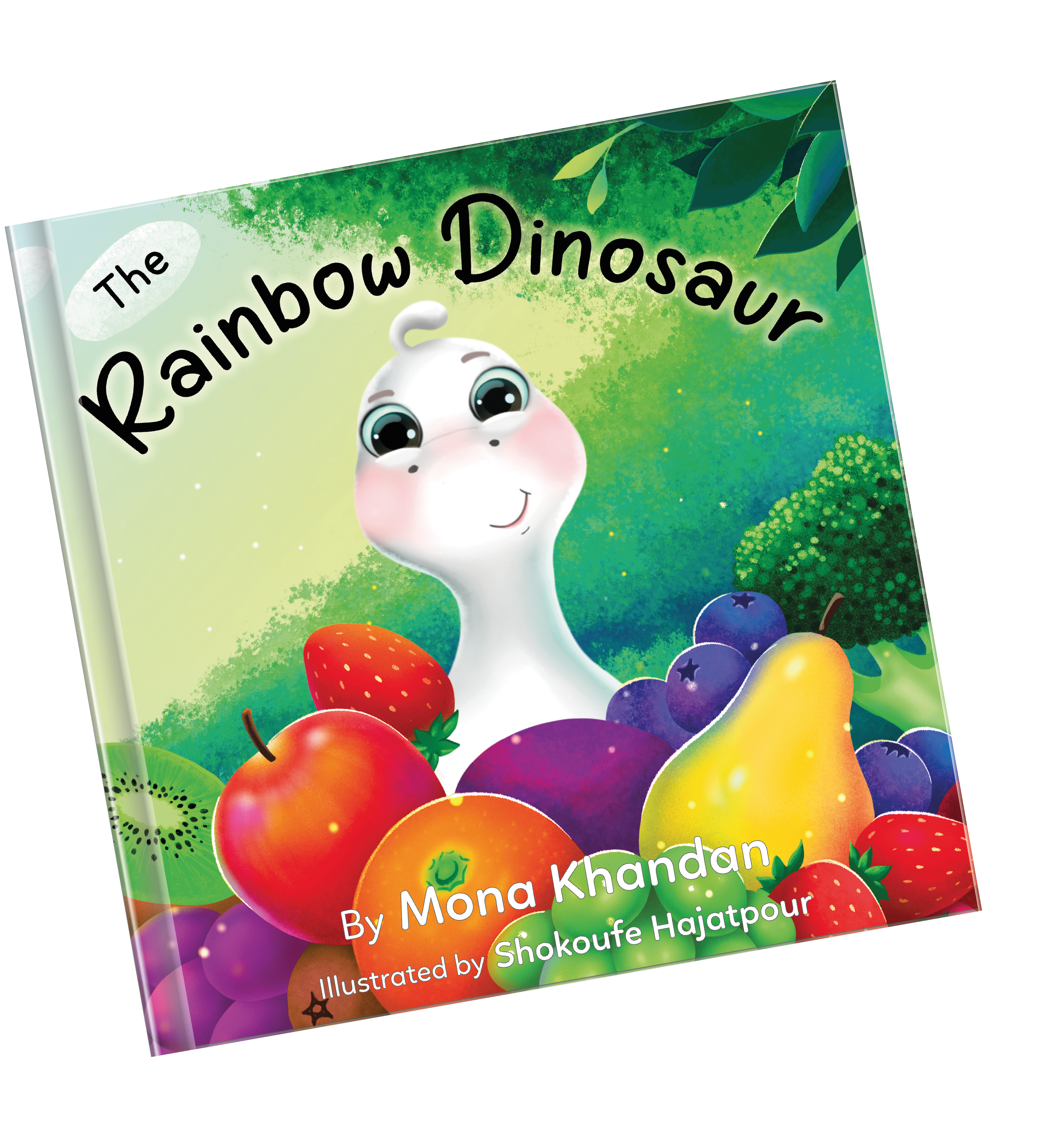
Meet The Rainbow Dinosaur
The Rainbow Dinosaur is a colorful picture-book adventure that introduces young readers to fruits, vegetables, trying new foods, and positive food choices through imaginative storytelling.
Related articles
- Healthy Eating for Kids
- Healthy Foods for Kids
- Balanced Diet for Kids
- Meal Planning for Kids
- Picky Eating in Kids
- How to Get Kids to Eat Vegetables
- Healthy Snacks for Kids
- Nutrition for Preschoolers
Frequently asked questions
What are the most important healthy eating habits for kids?
Regular meals and snacks, water, food variety, family meals, listening to hunger and fullness cues, and trying foods without pressure are strong foundations.
How can parents teach healthy habits without pressure?
Offer predictable meals, serve familiar and unfamiliar foods together, model balanced eating, involve children in preparation, and avoid forcing, bargaining, or comparing.
How long does it take to build a new eating habit?
There is no fixed timeline. Children often need repeated, relaxed experiences over weeks or months before a routine or food feels comfortable.
Should children clean their plates?
Children benefit from learning to notice hunger and fullness. Parents can provide the food and routine while allowing the child to decide whether and how much to eat.
How can families maintain healthy habits on busy days?
Use repeatable breakfasts, planned snacks, simple backup meals, frozen produce, leftovers, and a short grocery list. Consistency matters more than complexity.
Trusted sources and further reading
About the author
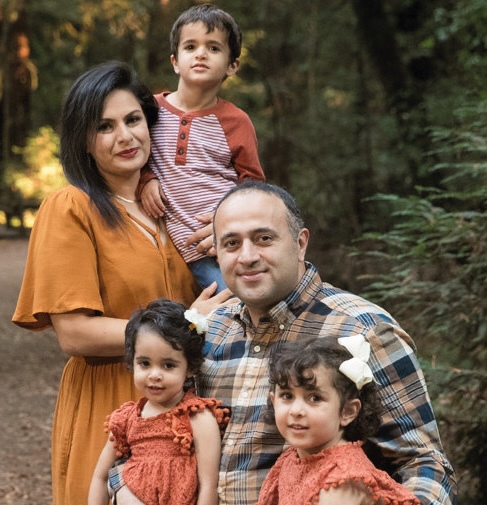
Mona Khandan is the author of The Rainbow Dinosaur, a children’s picture book that uses colorful storytelling to introduce fruits, vegetables, and positive food choices. She creates educational content for parents, teachers, and young readers.