
Quick answer
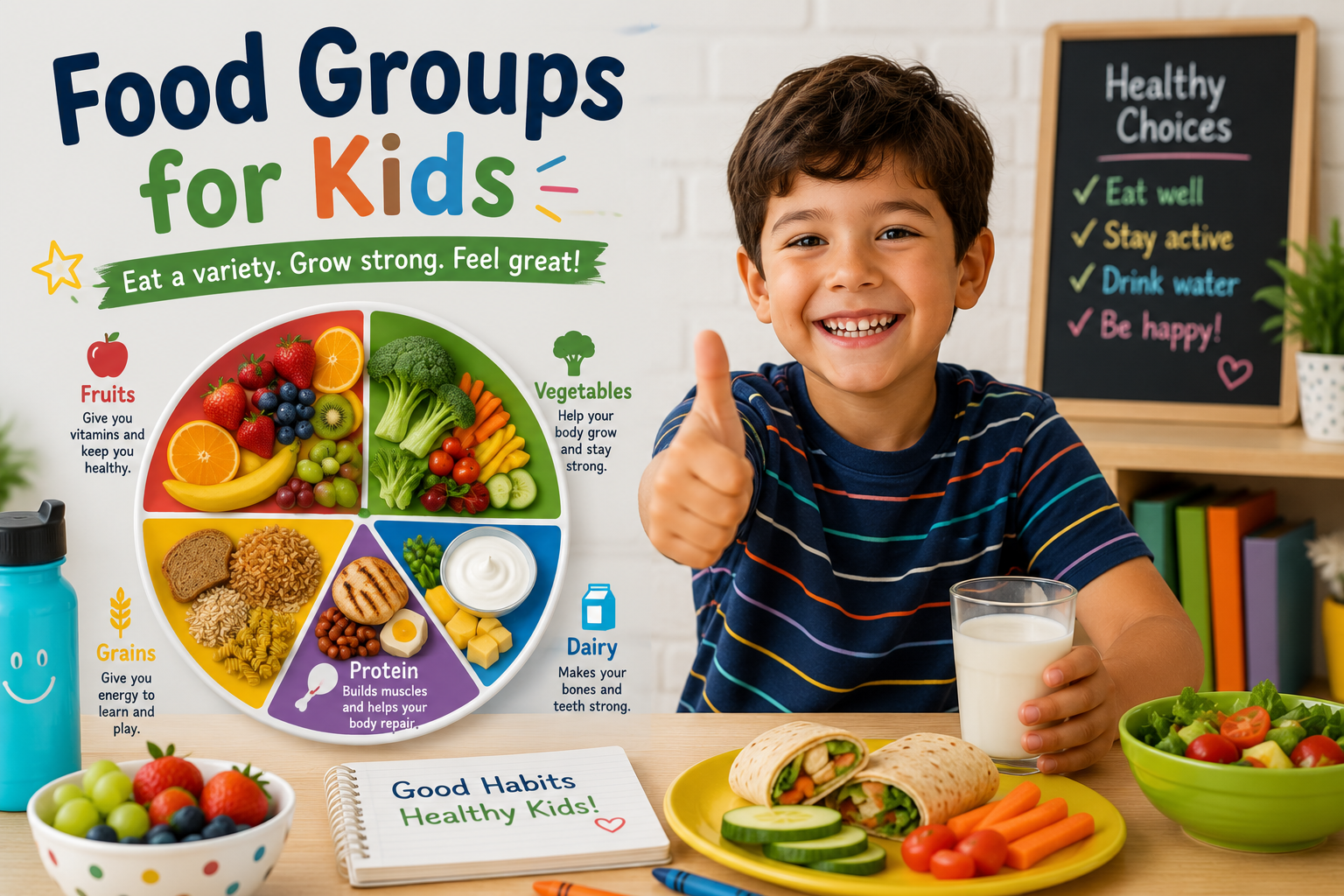
The five main food groups for kids are fruits, vegetables, grains, protein foods, and dairy or fortified alternatives. Each group provides a different mix of nutrients. Children do not need every group at every single meal, but offering variety across the day helps support growth, energy, strong bones, healthy digestion, and overall development.
What are food groups?
Food groups are categories that organize foods with similar nutrients and roles in the body. They give families a simple way to think about variety without needing to count every vitamin or analyze every meal.
For children, food groups can be taught as a flexible guide rather than a set of strict rules. A child may eat fruit at breakfast, vegetables at dinner, grains at several meals, and protein foods and dairy at different points during the day. The overall pattern matters more than making every plate look perfect.
The five food groups for kids
1. Fruits
Fruits provide vitamins, minerals, fiber, water, and natural sweetness. Different colors often signal different nutrients, so variety is helpful over time.
Examples: apples, bananas, berries, oranges, mango, grapes, pears, peaches, melon, kiwi, pineapple, and unsweetened applesauce.
Easy ways to serve fruit: sliced beside breakfast, mixed into yogurt, packed in a lunchbox, blended into a smoothie, or served as part of a snack.
2. Vegetables
Vegetables provide fiber, vitamins, minerals, and plant compounds that support health. They come in many flavors and textures, from sweet roasted carrots to crisp cucumbers and creamy mashed sweet potatoes.
Examples: broccoli, carrots, peas, corn, spinach, tomatoes, cucumbers, peppers, green beans, cauliflower, sweet potatoes, and squash.
Easy ways to serve vegetables: raw with dip, roasted, steamed, added to pasta, mixed into rice, layered in sandwiches, or offered as a simple side.
3. Grains
Grains are an important source of carbohydrates, which provide energy for play, learning, and daily activity. Whole grains also provide fiber and additional nutrients.
Examples: oats, brown rice, whole-grain bread, whole-wheat pasta, quinoa, barley, tortillas, cereal, couscous, and crackers.
Both whole and refined grains can fit into a child’s diet. Families can choose whole grains often while keeping meals familiar and enjoyable.
4. Protein foods
Protein foods help build and repair muscles and body tissues. Many also provide iron, zinc, healthy fats, and other important nutrients.
Examples: eggs, beans, lentils, peas, tofu, fish, chicken, turkey, beef, pork, nuts, seeds, and nut or seed butters served safely.
Plant and animal protein foods can both be part of a balanced pattern. Variety helps expose children to different flavors and nutrients.
5. Dairy and fortified alternatives
Dairy foods often provide calcium, protein, vitamin D, and other nutrients that support bones and teeth. Children who do not use dairy may need fortified alternatives.
Examples: milk, yogurt, cheese, cottage cheese, and fortified soy milk or soy yogurt.
Nutrition varies among plant-based drinks, so families should check labels for protein, calcium, vitamin D, and added sugar. Individual needs may differ because of allergies, intolerances, dietary preferences, or medical conditions.
| Food group | Main role | Kid-friendly examples |
|---|---|---|
| Fruits | Vitamins, fiber, hydration | Banana, berries, apple, orange |
| Vegetables | Vitamins, minerals, fiber | Carrots, peas, cucumber, broccoli |
| Grains | Energy and fiber | Oats, rice, bread, pasta |
| Protein foods | Growth and tissue repair | Eggs, beans, chicken, tofu |
| Dairy or alternatives | Bones, teeth, protein | Milk, yogurt, cheese, fortified soy milk |
How to build a balanced plate
A balanced plate does not need to be exact. One simple approach is to combine a grain or starchy food, a protein food, and at least one fruit or vegetable. Dairy or a fortified alternative can be included with the meal or at another time during the day.
Simple balanced meal formula
Grain or starch + protein food + fruit or vegetable + optional dairy or fortified alternative
Example: brown rice + black beans + corn and avocado + yogurt.
Breakfast examples
- Oatmeal with berries and milk.
- Eggs, whole-grain toast, and orange slices.
- Yogurt with banana and whole-grain cereal.
- Peanut or seed butter toast with apple slices.
Lunch examples
- Turkey or hummus sandwich, cucumber, and grapes.
- Bean-and-cheese quesadilla with tomato and melon.
- Pasta salad with chicken, peas, and berries.
- Rice bowl with tofu, carrots, edamame, and pineapple.
Dinner examples
- Salmon, potatoes, green beans, and fruit.
- Chicken, rice, roasted carrots, and yogurt.
- Lentil soup, whole-grain bread, cucumber, and cheese.
- Tacos with beans or meat, tortillas, lettuce, tomato, and avocado.
Snack examples
- Apple and cheese.
- Yogurt and berries.
- Crackers with hummus and cucumber.
- Banana with peanut or seed butter.
- Toast with avocado.
Kid-friendly examples from every food group
| Food group | Breakfast | Lunch or dinner | Snack |
|---|---|---|---|
| Fruit | Banana | Orange slices | Berries |
| Vegetable | Spinach in eggs | Carrot sticks | Cucumber rounds |
| Grain | Oatmeal | Rice or bread | Whole-grain crackers |
| Protein | Egg | Beans or chicken | Hummus |
| Dairy or alternative | Milk | Cheese | Yogurt |
Food groups by age
Children’s portion needs and feeding skills change with age. The same five food groups remain useful, but the texture, size, and presentation should match the child’s development.
Toddlers
- Offer soft, manageable pieces and small portions.
- Expect appetite to vary from meal to meal.
- Choose foods that are easy to chew and swallow.
- Modify common choking hazards carefully.
Preschoolers
- Use simple food-group language and colorful examples.
- Let children help wash produce or stir ingredients.
- Offer familiar foods alongside new foods.
- Keep mealtime expectations calm and realistic.
School-age children
- Invite children to help plan a balanced lunch or snack.
- Teach them to identify food groups in mixed dishes.
- Discuss energy, growth, and strength rather than weight.
- Encourage variety without turning meals into a test.
How to teach food groups to kids
Use a rainbow approach
Invite children to notice the colors of fruits and vegetables. They can build a rainbow plate, draw foods by color, or choose one new color to explore each week.
Sort real foods or pictures
Print or draw pictures of foods and ask children to sort them into groups. Mixed dishes can go in more than one group, which is a useful lesson by itself.
Play “What group is it?”
During grocery shopping or cooking, name a food and ask which group it belongs to. Keep the activity light and avoid correcting every answer immediately.
Cook one meal with several groups
Pizza, tacos, soup, sandwiches, and grain bowls make it easy to show how several food groups can come together in one meal.
Read books about colorful foods
Stories can make nutrition ideas memorable. Children can point to fruits and vegetables, identify colors, or choose a food from the story to explore in real life.
Food groups and picky eaters
A picky eater may accept only a few foods from one or more groups. The goal is not to force a perfectly balanced plate. Instead, keep offering safe, familiar foods while gradually expanding variety.
- Serve one familiar food with meals.
- Offer very small portions of new foods.
- Change the shape, texture, or cooking method.
- Use dips and simple seasonings.
- Let children interact with a food without requiring a bite.
- Repeat exposures over time.
A gentle food-group expansion
A child who eats plain pasta may later explore pasta with butter, then pasta with grated cheese, then pasta beside peas, and eventually pasta mixed with peas. Small steps can still build variety.
Daily variety checklist
This checklist is a planning aid, not a scorecard. Families can look at the whole day or week rather than expecting every box to be checked at every meal.
| Food group | Simple question | Easy option |
|---|---|---|
| Fruit | Was fruit offered today? | Banana, berries, apple, orange |
| Vegetables | Was a vegetable offered today? | Carrots, peas, cucumber, broccoli |
| Grains | Was there an energy-giving grain or starch? | Oats, bread, rice, pasta |
| Protein | Was a protein food included? | Eggs, beans, chicken, tofu |
| Dairy or alternative | Was a calcium-rich choice offered? | Milk, yogurt, cheese, fortified soy milk |
Common questions and mistakes
Does every plate need all five groups?
No. Some meals naturally include three or four groups, and snacks or later meals can provide the rest. Balance is a pattern, not a single plate.
Are mixed dishes harder to count?
Mixed dishes often include several groups. A bean-and-cheese taco may include grains, protein, dairy, and vegetables. Children do not need to separate the ingredients for the meal to count.
Are treats a food group?
Treats are not one of the five main food groups, but they can still fit into family life. Using neutral language around all foods can support a balanced relationship with eating.
Should families count servings?
Detailed counting is usually unnecessary for everyday family meals unless a healthcare professional recommends it. A varied pattern and regular opportunities to eat are often more practical.
How stories can make food groups fun
Food-group lessons are easier to remember when they feel playful. Children can match story foods to the five groups, create a rainbow menu, draw a balanced plate, or choose a fruit or vegetable character to try at home.
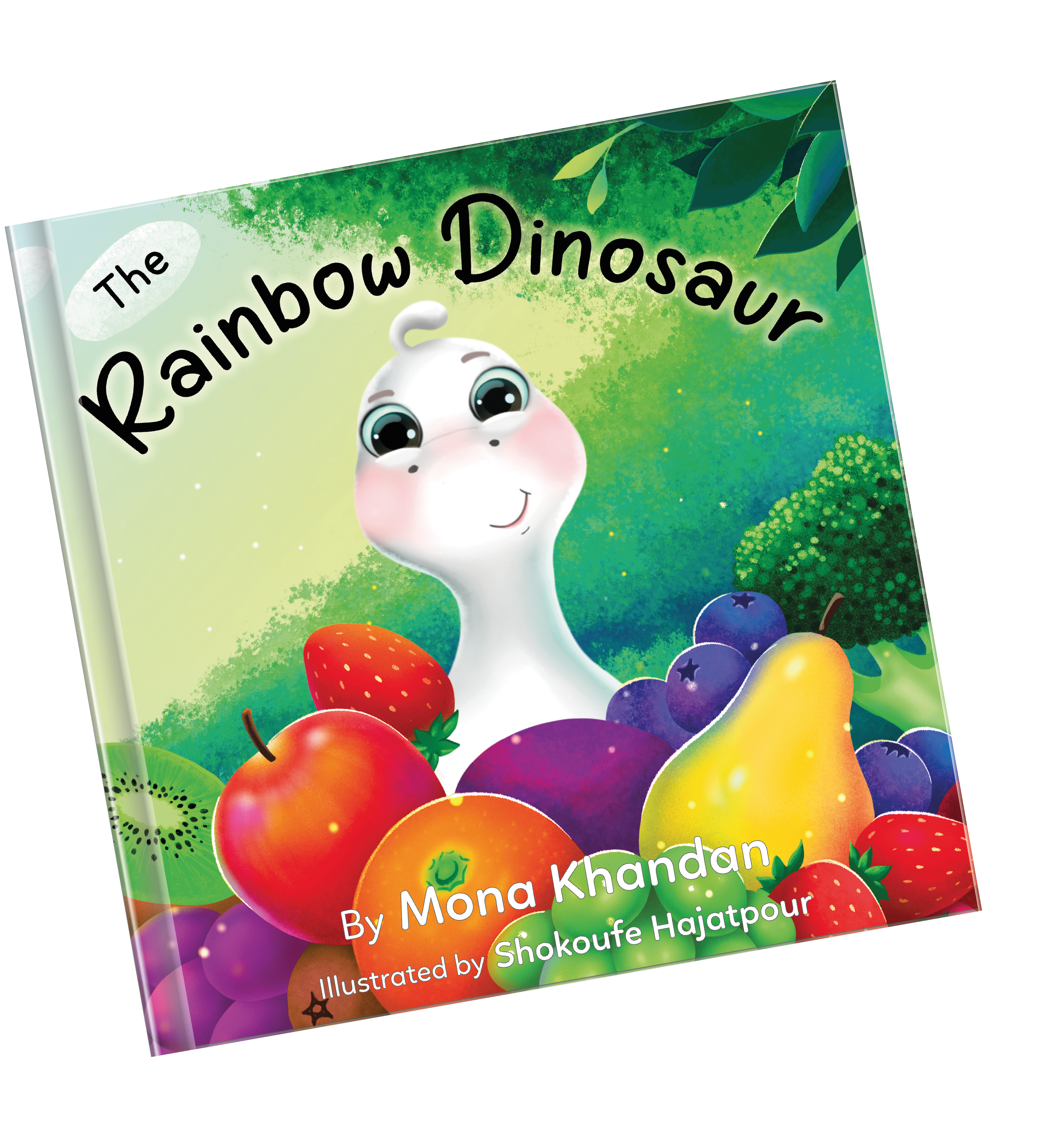
Explore colorful foods with The Rainbow Dinosaur
The Rainbow Dinosaur introduces young readers to fruits, vegetables, and positive food choices through a colorful picture-book adventure. It can be used at home or in the classroom to start simple conversations about food groups and variety.
Related articles
- Healthy Eating for Kids
- Healthy Foods for Kids
- Balanced Diet for Kids
- Healthy Eating Habits for Kids
- Fruits for Kids
- Vegetables for Kids
- Nutrition for Preschoolers
- Meal Planning for Kids
Frequently asked questions
What are the five food groups for kids?
The five main groups are fruits, vegetables, grains, protein foods, and dairy or fortified alternatives.
Why do kids need foods from different food groups?
Different groups provide different combinations of carbohydrates, protein, fiber, vitamins, minerals, and healthy fats that support growth and development.
Does every meal need all five food groups?
No. Balance can happen across the day or week. Many meals include three or four groups, and snacks or other meals can provide the rest.
What counts as a protein food for kids?
Eggs, beans, lentils, peas, tofu, fish, poultry, meat, nuts, seeds, and nut or seed butters are all examples when served safely for the child’s age.
What can replace dairy if a child does not drink milk?
Fortified soy milk and other fortified alternatives may provide calcium and vitamin D, but products vary. Check labels and discuss individual needs with a pediatrician or registered dietitian.
How can I teach food groups to a picky eater?
Keep lessons playful, use tiny portions, pair new foods with familiar foods, and focus on exposure rather than requiring a bite.
Trusted sources and further reading
About the author
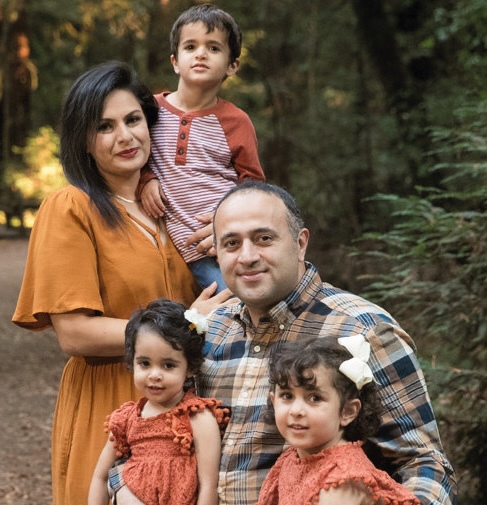
Mona Khandan is the author of The Rainbow Dinosaur, a children’s picture book that uses colorful storytelling to introduce fruits, vegetables, and positive food choices. She creates educational content for parents, teachers, and young readers.