
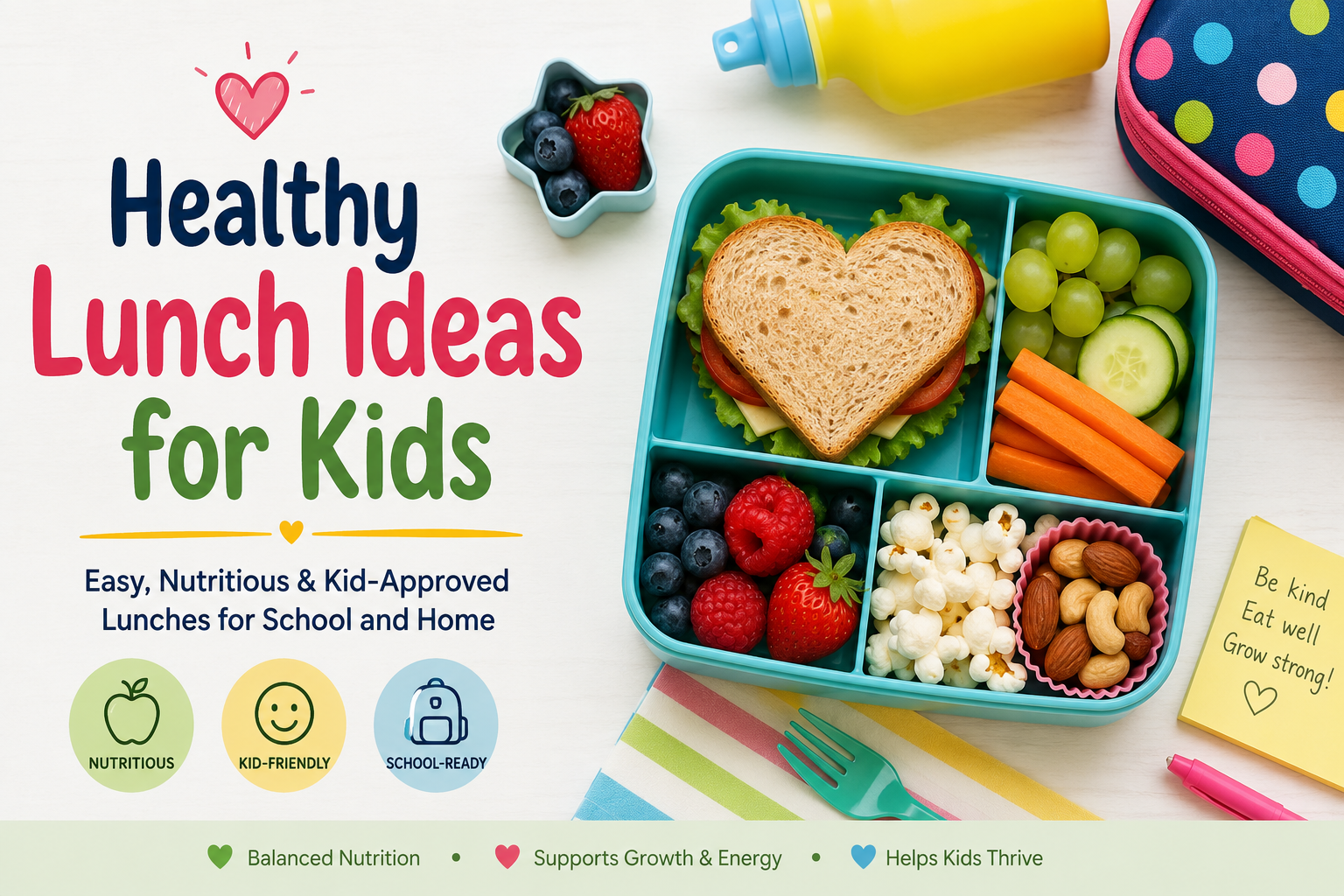
The quick answer
A simple healthy lunch for kids can include four building blocks: a protein food, a whole grain or other nourishing starch, a fruit or vegetable, and a suitable drink. Add dairy or a fortified alternative when it fits. Keep portions child-sized, include at least one familiar food, and focus on variety across the week rather than perfection in every lunchbox.
What makes a healthy, balanced lunch for kids?
A balanced lunch gives children a mix of foods that can support energy, growth, learning, and satisfaction. It does not need to include every food group in a rigid amount, and it does not need to look the same every day.
Instead, think about the overall pattern. Across the week, lunches can include fruits, vegetables, whole grains, protein foods, dairy or appropriate alternatives, and healthy fats. Water is usually the simplest everyday drink.
- A protein food: eggs, beans, lentils, chicken, turkey, fish, tofu, yogurt, cheese, or an allergy-safe nut or seed butter.
- A whole grain or nourishing starch: whole-grain bread, pita, tortillas, pasta, brown rice, quinoa, potatoes, corn, or crackers.
- A fruit or vegetable: prepared in a form that is safe and manageable for the child.
- A suitable drink: often water, plain milk, or an appropriate unsweetened fortified alternative.
- A healthy fat: avocado, olive oil, hummus, seeds, or nut butter when safe.
Think in patterns, not perfect plates
A child may eat more fruit at one lunch and more protein at another. Look at balance across several meals and days instead of judging nutrition by a single lunchbox.
A simple lunchbox formula
When you are tired of deciding what to pack, use a repeatable formula. Choose one item from each row, then adjust portions and textures for your child’s age, appetite, and eating skills.
| Lunch component | Easy choices | Practical note |
|---|---|---|
| Protein | Egg, chicken, turkey, tuna, beans, lentils, tofu, yogurt, cheese, hummus, nut or seed butter | Follow school allergy rules and use age-appropriate forms. |
| Grain or starch | Whole-grain bread, tortilla, pita, crackers, pasta, rice, quinoa, potato, corn | Use whole-grain options often while allowing family and cultural preferences. |
| Fruit or vegetable | Berries, banana, apple, orange, melon, cucumber, carrots, peas, peppers, tomatoes | Cut produce appropriately and soften firm foods when needed. |
| Dairy or alternative | Plain yogurt, cheese, milk, or an appropriate unsweetened fortified alternative | Consider allergies, dietary needs, and refrigeration. |
| Drink | Water, plain milk, or an appropriate unsweetened alternative | Use a leak-resistant bottle and check school rules. |
Thirty healthy lunch ideas for kids
These are flexible starting points. Modify textures, ingredients, and portions for age, allergies, culture, preferences, and food-safety needs.
Sandwiches, wraps, and roll-ups
- Turkey and cheese on whole-grain bread with cucumber and berries.
- Hummus and shredded carrot pita with orange slices.
- Chicken and avocado wrap with safely cut tomatoes.
- Egg salad sandwich with peas and melon.
- Tuna and cucumber sandwich with apple slices.
- Sunflower-seed butter and banana sandwich with bell pepper strips.
- Cheese and bean roll-up with corn and safely cut grapes.
- Tofu and vegetable wrap with pineapple.
Lunchbox plates and snack-style lunches
- Whole-grain crackers, cheese, turkey slices, cucumber, and pear.
- Hard-boiled egg, pita wedges, hummus, carrots, and berries.
- Plain yogurt, fruit, whole-grain cereal, and seeds when safe.
- Bean dip, tortilla triangles, avocado, tomatoes, and melon.
- Chicken pieces, whole-grain crackers, peas, and orange segments.
- Mini mozzarella, tomato pieces, whole-grain bread, and peach slices.
- Edamame, rice crackers, cucumber, and mango.
- Cottage cheese, whole-grain toast strips, berries, and soft-cooked vegetables.
Warm lunches in an insulated container
- Lentil soup with whole-grain bread and fruit.
- Chicken and vegetable rice with orange slices.
- Whole-grain pasta with tomato sauce, beans, and zucchini.
- Turkey meatballs with quinoa and peas.
- Macaroni with cheese and broccoli, served with fruit.
- Bean chili with corn and avocado.
- Vegetable fried rice with egg or tofu.
- Potato and chickpea stew with whole-grain crackers.
Quick lunches at home
- Scrambled egg, avocado toast, and berries.
- Bean and cheese quesadilla with cucumber and salsa.
- Plain yogurt bowl with banana, oats, and allergy-safe nut or seed butter.
- Leftover chicken with roasted vegetables and rice.
- Whole-grain pasta salad with chickpeas, vegetables, and olive oil.
- Tomato soup with grilled cheese and sliced fruit.
Healthy lunch ideas for picky eaters
A lunchbox is usually not the best place to send several unfamiliar foods at once. Children may have limited time, distractions, noise, and no trusted adult available to support food exploration.
A more realistic approach is to pack mostly familiar foods and include one small “learning food.” The learning food might be a single cucumber slice, two peas, a new cracker, or a small piece of a different fruit.
Use the familiar-plus-one approach
- Pack one familiar main food.
- Add one familiar fruit or vegetable.
- Include one small food the child is still learning about.
- Keep the portion of the learning food tiny and pressure-free.
Look at leftovers as information
A returned lunchbox can show that the portion was too large, a container was difficult to open, a food became soggy, lunch time was too short, or the child was simply not very hungry. Ask curious, neutral questions rather than treating leftovers as misbehavior.
How to plan kids’ lunches without stress
Use a weekly rotation
Choose five or six main options and rotate them. Change the fruit, vegetable, or side to create variety without rebuilding the whole lunch.
Prepare components instead of complete lunches
Wash fruit, portion crackers, cook eggs, roast vegetables, prepare a grain, or make hummus ahead of time. When ingredients are ready, packing lunch takes less time.
Let children make limited choices
Offer two acceptable options: “Would you like strawberries or orange slices?” Limited choices give children involvement without making meal planning overwhelming.
Use leftovers intentionally
Dinner leftovers can become lunch when stored and reheated safely. Chicken, rice, pasta, roasted vegetables, beans, soup, and meatballs often work well in an insulated container.
Pack realistic portions
Large amounts can feel overwhelming and create waste. Start with modest portions and adjust based on what your child consistently eats.
Packed lunch or school lunch?
Both can support healthy eating. School meals that participate in federal nutrition programs follow meal-pattern and nutrition requirements. They can also introduce children to foods they do not usually see at home.
A packed lunch may be useful when a child has specific medical, sensory, cultural, or dietary needs, or when the family prefers familiar foods. Some children do best with a combination.
Lunchbox food-safety reminders
Perishable foods need temperature control. Follow school policies and food-safety guidance, especially for meat, eggs, dairy, cooked grains, leftovers, and cut produce.
- Use an insulated lunch bag for foods that need to stay cold.
- Include cold packs near perishable foods.
- Use a clean, preheated insulated container for hot food.
- Wash hands, lunch containers, and produce before packing.
- Cut round or firm foods into safer shapes for younger children.
- Follow your school’s nut and allergy policies.
- Discard unsafe perishable leftovers rather than repacking them.
How stories can make lunch conversations more positive
Stories can introduce fruits, vegetables, colors, and new-food curiosity without turning lunch into a test. Try playful questions such as “How many colors can you find?” or “Which fruit or vegetable would a dinosaur choose?”
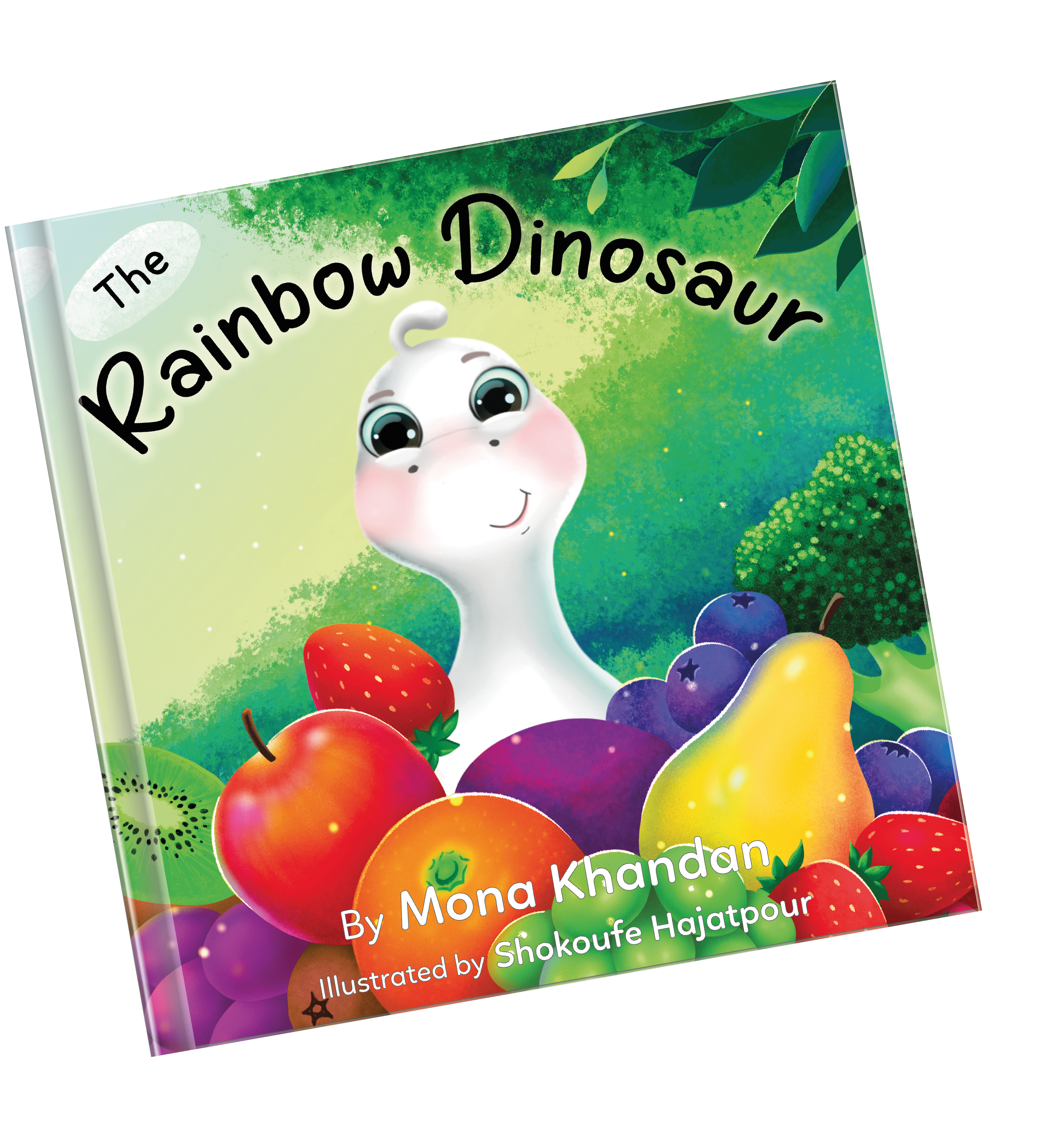
Meet The Rainbow Dinosaur
The Rainbow Dinosaur is a colorful picture-book adventure that introduces young readers to fruits, vegetables, trying new foods, and positive food choices through an imaginative dinosaur story.
Related healthy-eating guides
- Healthy Eating for Kids: A Practical Parent Guide
- Healthy Snacks for Kids: Easy, Balanced Ideas
- Browse all articles
Frequently asked questions
What should a healthy lunch for kids include?
A balanced lunch can include a protein food, a whole grain or other nourishing starch, a fruit or vegetable, and water or another suitable drink. Dairy or a fortified alternative may also be included.
How can I keep school lunches from getting boring?
Rotate one component at a time. Keep a familiar main food while changing the fruit, vegetable, dip, bread, or presentation.
What are easy healthy lunch ideas for picky eaters?
Use familiar foods as the foundation and add one tiny learning food. Examples include a turkey and cheese roll-up with fruit, yogurt with berries and whole-grain crackers, or a bean and cheese quesadilla with cucumber.
How do I keep a packed lunch safe?
Use an insulated lunch bag with cold packs for perishable foods. Keep hot foods in a clean, preheated insulated container, wash produce, and follow school allergy policies.
Should children finish everything in their lunchbox?
Children should be supported in noticing hunger and fullness rather than being required to finish every item. Parents can review leftovers to understand which foods and portions work best.
Trusted sources and further reading
This guide is educational and is informed by public nutrition and school-meal resources. For personalized advice, consult your child’s pediatrician or a registered dietitian.
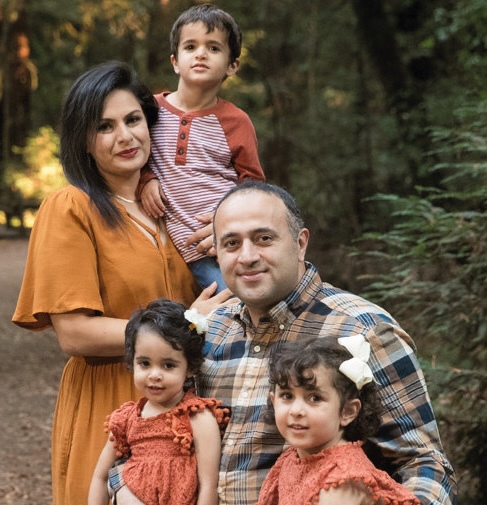
About the author
Mona Khandan is the author of The Rainbow Dinosaur, a children’s picture book that uses colorful storytelling to introduce fruits, vegetables, and positive food choices. She creates educational content for parents, teachers, and young readers.