
The quick answer
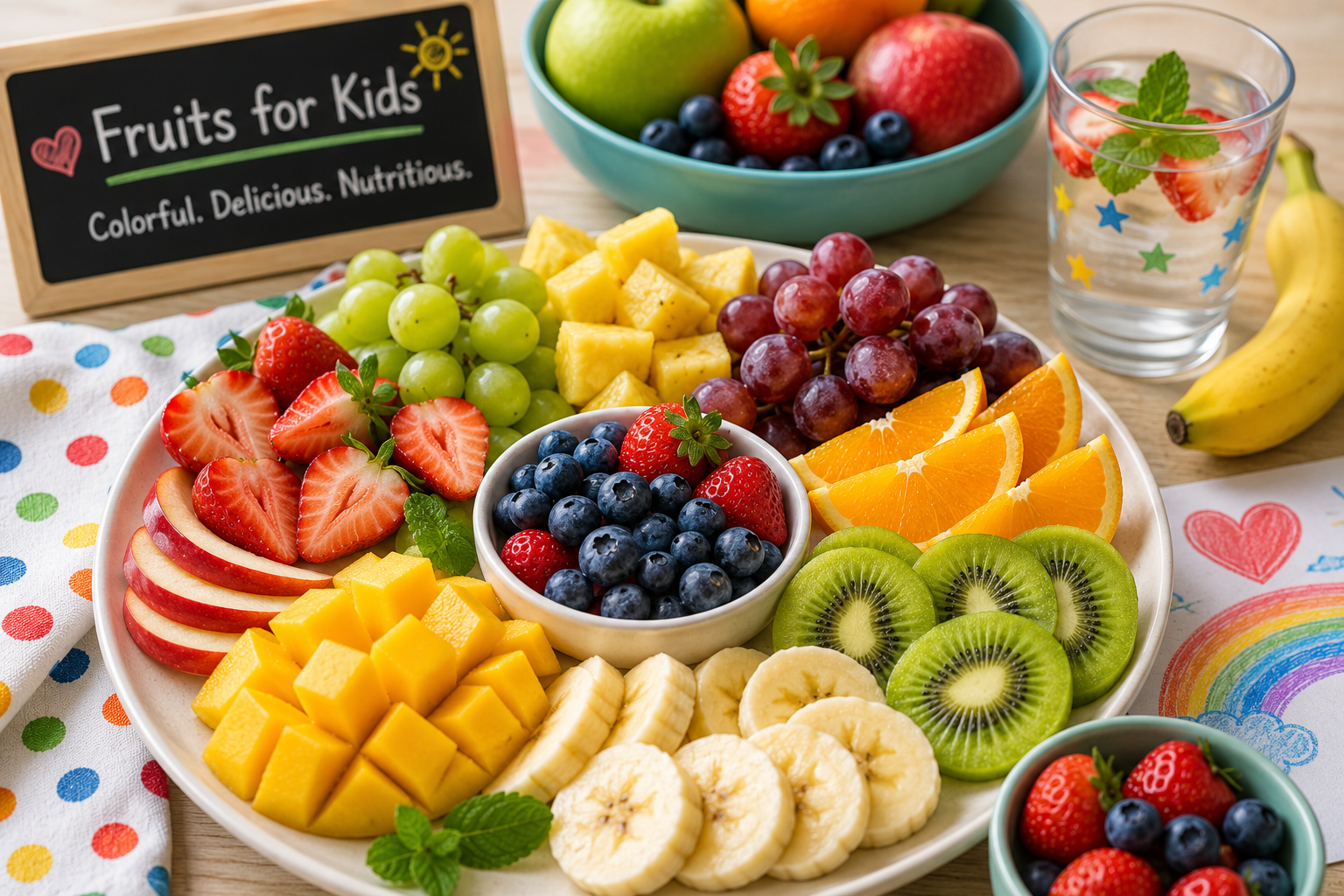
Healthy fruits for kids include familiar options such as bananas, berries, apples, pears, oranges, peaches, melon, mango, kiwi, and avocado. Fresh, frozen, and canned fruit can all fit. Serve fruit in age-appropriate forms, pair it with protein or fat for a more satisfying snack, and keep exposure positive and pressure-free.
Why fruit can be useful for kids
Fruit offers natural sweetness, water, fiber, vitamins, minerals, and a wide range of colors and textures. Different fruits provide different nutrients, which is why variety across the week matters more than relying on one favorite fruit every day.
Fruit can be served at breakfast, packed in a lunchbox, offered as part of a snack, blended into yogurt, added to oatmeal, or used in simple desserts. It can also help children become familiar with new smells, textures, shapes, and flavors.
There is no need to label fruit as “good” or use it as a reward. A calmer approach is to treat fruit as one enjoyable part of a varied eating pattern.
Think variety, not perfection
A child does not need to eat every color every day. Offer different fruits over time and let repeated exposure build familiarity.
Twenty healthy fruits for kids
Nearly any fruit can fit when prepared safely. The best choices are the ones your family can access, afford, store, and serve regularly.
| Fruit | Easy serving idea | Practical note |
|---|---|---|
| Banana | Sliced over oatmeal or spread with seed butter | Soft, portable, and easy to mash. |
| Strawberries | Sliced into yogurt or served with toast | Remove stems and cut for the child’s age. |
| Blueberries | Mixed into pancakes, yogurt, or oatmeal | Flatten or cook until soft for younger children. |
| Apple | Thin slices, grated, baked, or as applesauce | Raw apple can be hard; modify as needed. |
| Pear | Soft ripe slices or diced into oatmeal | Choose ripe fruit for a softer texture. |
| Orange | Segments with membranes removed when needed | Check for seeds and slippery pieces. |
| Mango | Soft cubes or mixed into yogurt | Can be slippery; use manageable pieces. |
| Kiwi | Scooped with a spoon or sliced | Pair the tart flavor with yogurt. |
| Watermelon | Seedless sticks, cubes, or triangles | Hydrating and easy to serve chilled. |
| Grapes | Cut lengthwise into quarters for younger children | Whole grapes are a choking hazard. |
| Avocado | Mashed on toast or served in soft slices | A fruit that also provides healthy fat. |
| Peach | Soft slices or diced into yogurt | Fresh, frozen, and canned versions work. |
Easy ways to serve fruit to kids
Changing presentation can make familiar fruit feel new without adding pressure. A child who refuses apple wedges may accept grated apple, warm baked apple, applesauce, or very thin slices.
At breakfast
- Add berries or banana to oatmeal.
- Serve orange segments beside eggs and toast.
- Mix diced fruit into plain yogurt.
- Top whole-grain pancakes with warm fruit.
- Blend frozen fruit into a smoothie with yogurt or milk.
In lunchboxes
- Pack apple slices with cheese.
- Use berries in a leak-resistant container.
- Send mandarin segments with a sandwich or wrap.
- Combine melon cubes with yogurt.
- Pack unsweetened applesauce when fresh fruit is inconvenient.
Balanced fruit snack ideas
Fruit alone can be a perfectly reasonable snack. When a child needs something more filling, pair fruit with a protein food, healthy fat, or whole grain.
- Banana with peanut, almond, or sunflower-seed butter when safe.
- Apple slices with cheese.
- Berries with plain yogurt.
- Pear slices with cottage cheese.
- Mandarin segments with whole-grain crackers.
- Mango with Greek yogurt.
- Kiwi with toast and ricotta.
- Avocado on whole-grain toast.
Fruit tips for picky eaters
Some children readily accept sweet fruit, while others dislike wet, stringy, seedy, tart, or mixed textures. A child may also like one variety but reject another.
Start with tiny portions
One berry, a thin slice, or a teaspoon of diced fruit may be enough for exposure.
Offer without pressure
Avoid bargaining or forcing bites. Neutral language keeps the experience calm.
Change one feature at a time
Try the fruit chilled, room temperature, blended, grated, baked, frozen, peeled, or served with a dip.
Let children participate
Children can choose between two fruits, rinse berries, peel a banana, stir fruit into yogurt, or arrange pieces by color.
Fresh, frozen, canned, or dried fruit?
Fresh fruit
Fresh fruit offers many textures and flavors. Seasonal choices may be more affordable, but fresh fruit is not automatically better than every other form.
Frozen fruit
Frozen fruit can be convenient, budget-friendly, and easy to store. Choose products without added sugar when possible.
Canned fruit
Look for fruit packed in water or juice rather than heavy syrup when possible.
Dried fruit
Dried fruit is concentrated and sticky. Use age-appropriate pieces and serve water alongside it.
Whole fruit and fruit juice
Whole fruit usually provides more fiber and requires chewing. Juice can fit in limited amounts but is not necessary for most children who can eat whole fruit.
Fruit safety for babies, toddlers, and young children
- Cut grapes lengthwise into quarters for younger children.
- Remove cherry, peach, plum, and apricot pits completely.
- Flatten blueberries or cook them until soft when needed.
- Grate, steam, bake, or thinly slice hard apples.
- Remove seeds, tough skins, and slippery membranes when needed.
- Have children sit upright while eating.
How stories can make fruit exploration more fun
Stories can make fruit feel playful instead of instructional. Children can look for colors, compare shapes, invent names, or imagine which fruit a dinosaur might choose.
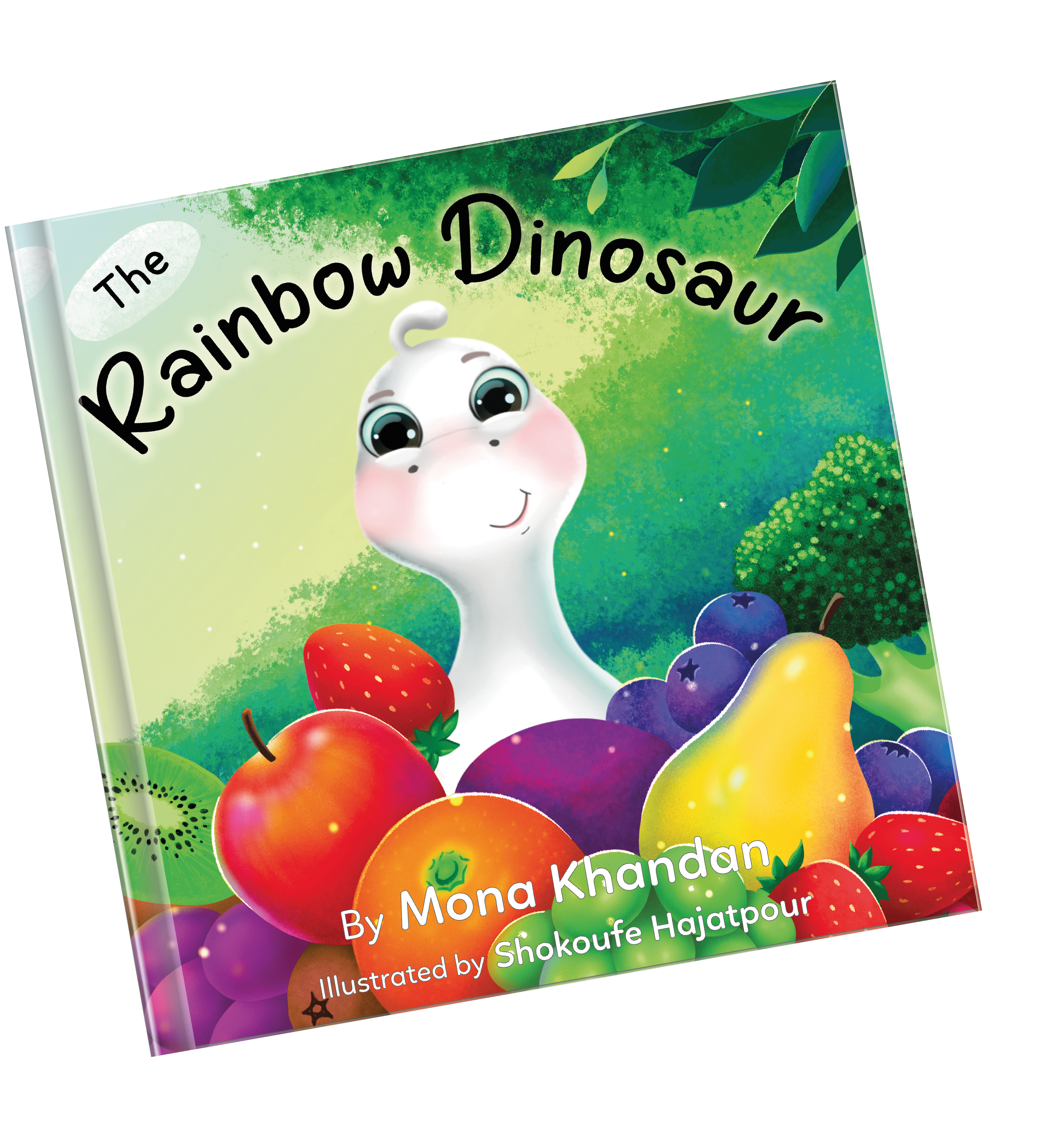
Meet The Rainbow Dinosaur
The Rainbow Dinosaur is a colorful picture-book adventure that introduces young readers to fruits, vegetables, trying new foods, and positive food choices through an imaginative dinosaur story.
Related healthy-eating guides
- Healthy Eating for Kids: A Practical Parent Guide
- Healthy Snacks for Kids: Easy, Balanced Ideas
- Healthy Lunch Ideas for Kids
- Healthy Breakfast Ideas for Kids
- Browse all articles
Frequently asked questions
What are some of the best fruits for kids?
Many fruits can fit a healthy eating pattern. Easy choices include bananas, berries, oranges, apples, pears, peaches, melon, mango, kiwi, and avocado.
How can I get a picky eater to try fruit?
Offer a tiny amount without pressure, pair it with a familiar food, vary how it is cut or served, and let the child help choose or prepare it.
Is fresh fruit better than frozen or canned fruit?
Fresh, frozen, and canned fruit can all be useful. Choose options without added sugar when possible.
Is fruit juice the same as whole fruit?
Whole fruit usually provides more fiber and a more satisfying eating experience.
How should fruit be cut for young children?
Cut round foods into safer shapes, remove pits, and soften or thinly slice hard fruit when needed.
Trusted sources and further reading
This guide is educational and is informed by public nutrition, child-feeding, and food-safety resources.

About the author
Mona Khandan is the author of The Rainbow Dinosaur, a children’s picture book that uses colorful storytelling to introduce fruits, vegetables, and positive food choices.